Why ENT Surgeons Are Turning to Ergonomic Loupes in Singapore: Clinical Benefits, Precision, and Posture in 2026
Otolaryngologists across Singapore face a persistent challenge that most other medical specialties encounter only occasionally: the physical toll of prolonged periods bent over patients, peering deep into delicate anatomical structures. After years of practice, many ENT surgeons develop chronic neck pain, shoulder tension, and lower back strain that threatens their ability to continue practicing at their highest level. This occupational reality has prompted a growing shift toward recognizing how to choose loupes that actively protect practitioner health while enhancing surgical precision—a transition that’s reshaping clinical practice standards across Singapore’s ENT community.
The Silent Career Threat: Understanding Why ENT Surgeons Need Better Solutions
ENT surgery demands uncompromising precision in confined anatomical spaces. Traditional surgical approaches often require awkward neck flexion angles—sometimes exceeding 30 degrees forward—maintained for extended periods during procedures ranging from routine septoplasties to complex endoscopic sinus surgeries. This biomechanical stress accumulates silently, creating micro-traumas to cervical vertebrae, thoracic discs, and shoulder stabilizer muscles faster than the body’s natural healing mechanisms can address.
Research from Singapore’s National University Hospital indicates that 76% of ENT surgeons report experiencing significant neck or back pain by their fifth year of practice, with 42% experiencing pain severe enough to interfere with surgical performance. This occupational health crisis fundamentally shifts the conversation from asking “Do I need magnification?” to asking “How to choose loupes that prevent career-ending injuries?”
The answer increasingly centers on ergonomic loupes in singapore solutions specifically designed around human biomechanics rather than traditional surgical optics that ignore postural consequences.
Understanding Ergonomic Loupes: Beyond Simple Magnification
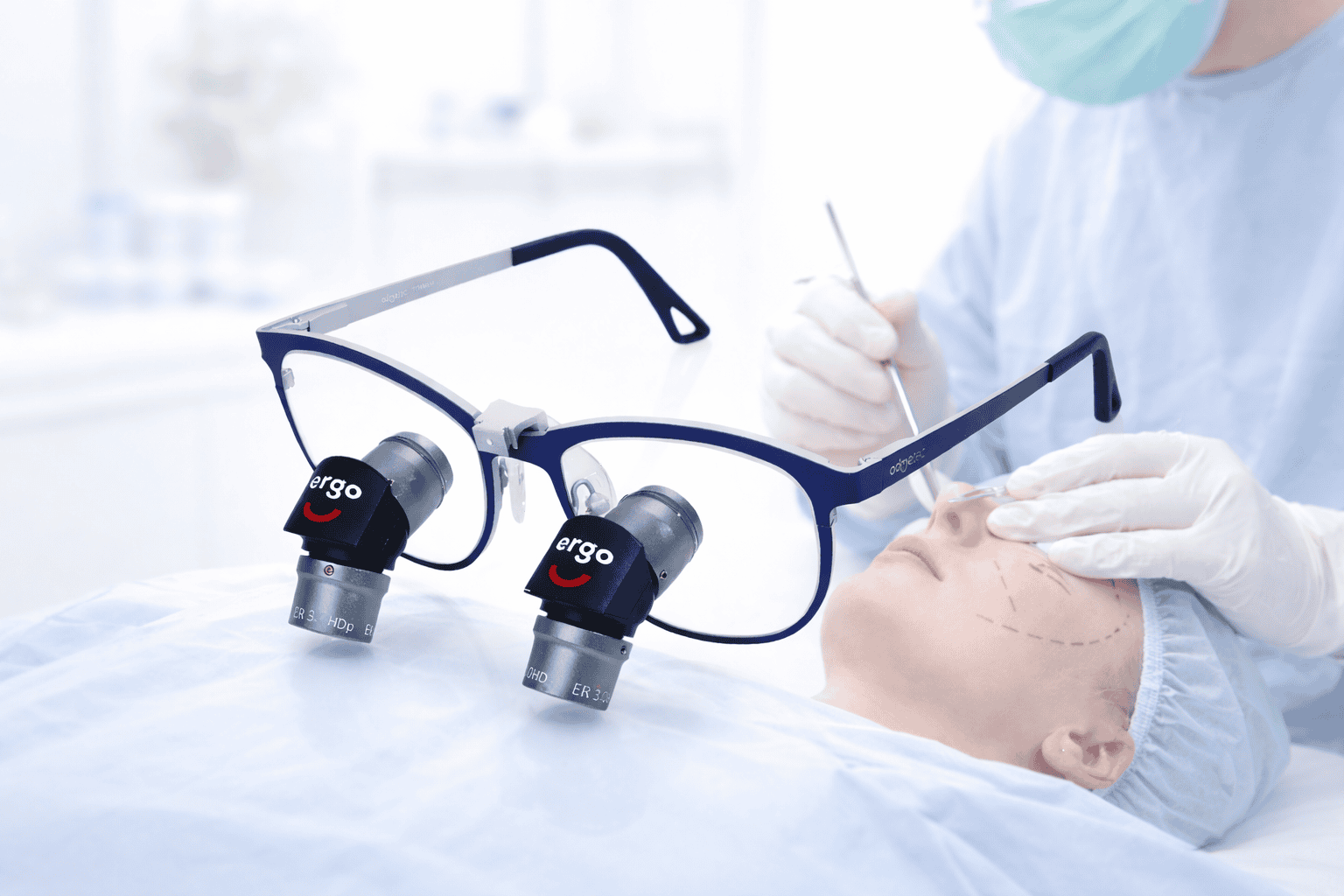
The critical distinction between conventional surgical loupes and modern ergonomic designs lies in optical path architecture. Traditional loupes force the surgeon’s line of sight downward at unnatural angles, creating the compensatory neck flexion that causes chronic pain. Ergonomic loupes singapore redesign this fundamental relationship by incorporating downward-deflecting optical paths that allow surgeons to maintain neutral cervical spine positioning while accessing precise magnification.
The benefits of ergonomic loupes extend far beyond mere comfort. When your cervical spine remains in neutral alignment, your brain receives proprioceptive feedback that enhances fine motor control. Surgeons using ergonomic designs report improved hand steadiness, reduced tremor, and enhanced procedural precision—objective advantages that directly translate to superior patient outcomes.
Clinical Advantages for ENT-Specific Procedures
ENT surgeons encounter unique magnification demands across their procedure spectrum. Routine otoscopy requires different magnification than transnasal endoscopic sinus surgery (TESS), which differs dramatically from revision functional endoscopic sinus surgery (FESS) in revision cases. Traditional single-magnification approaches force surgeons to compromise—sacrificing either field of view or magnification detail depending on which loupe they select.
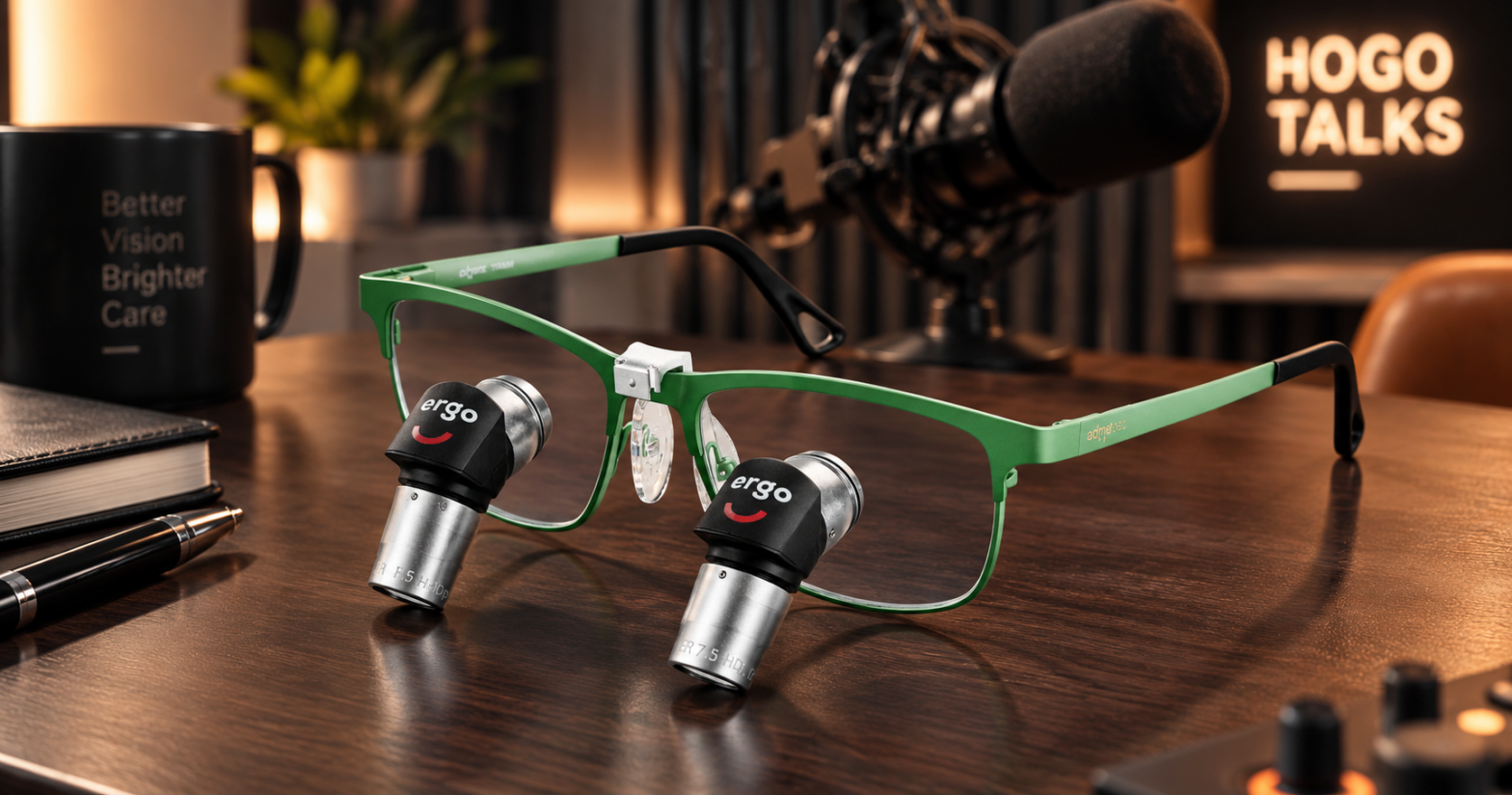
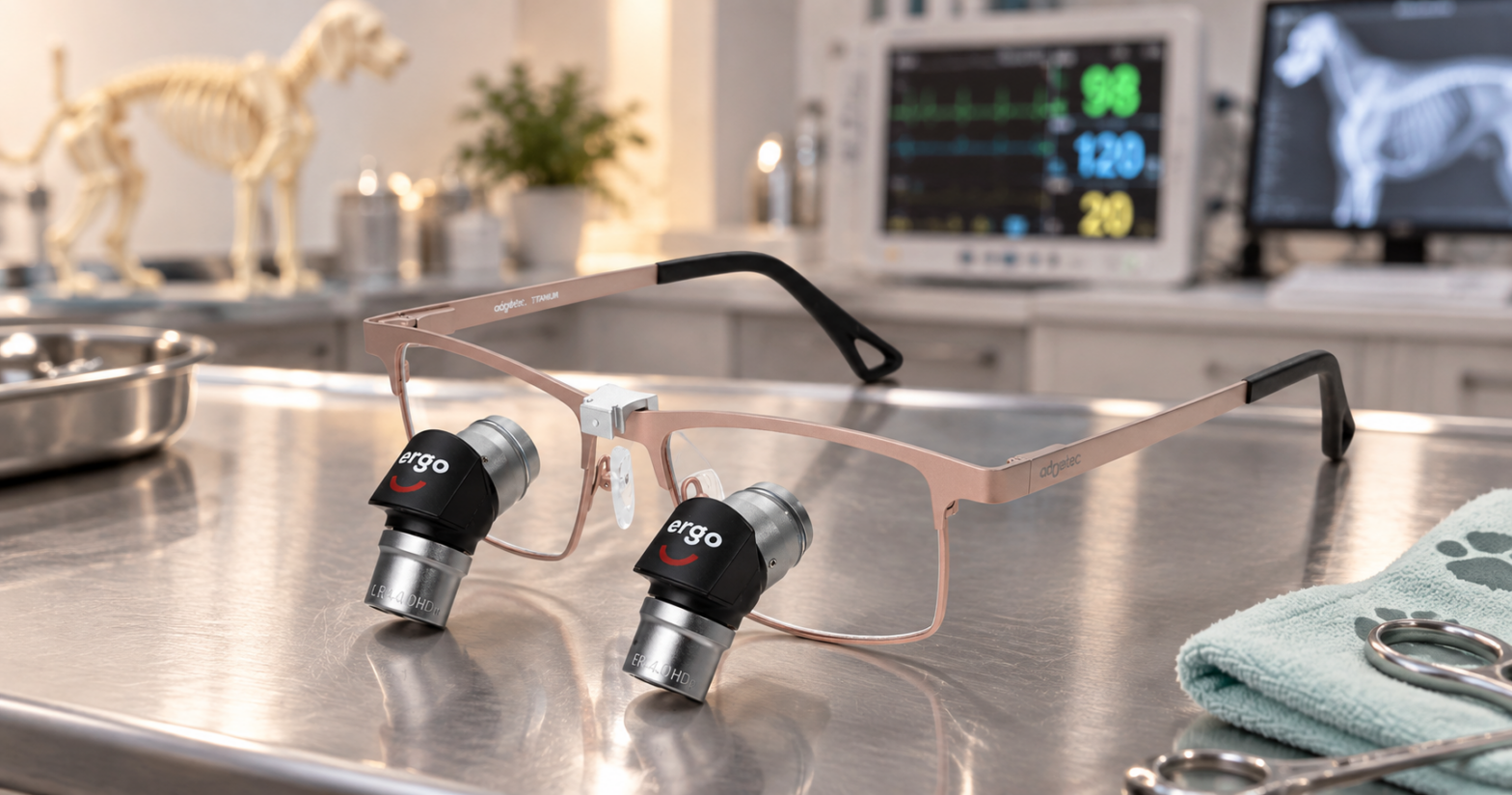
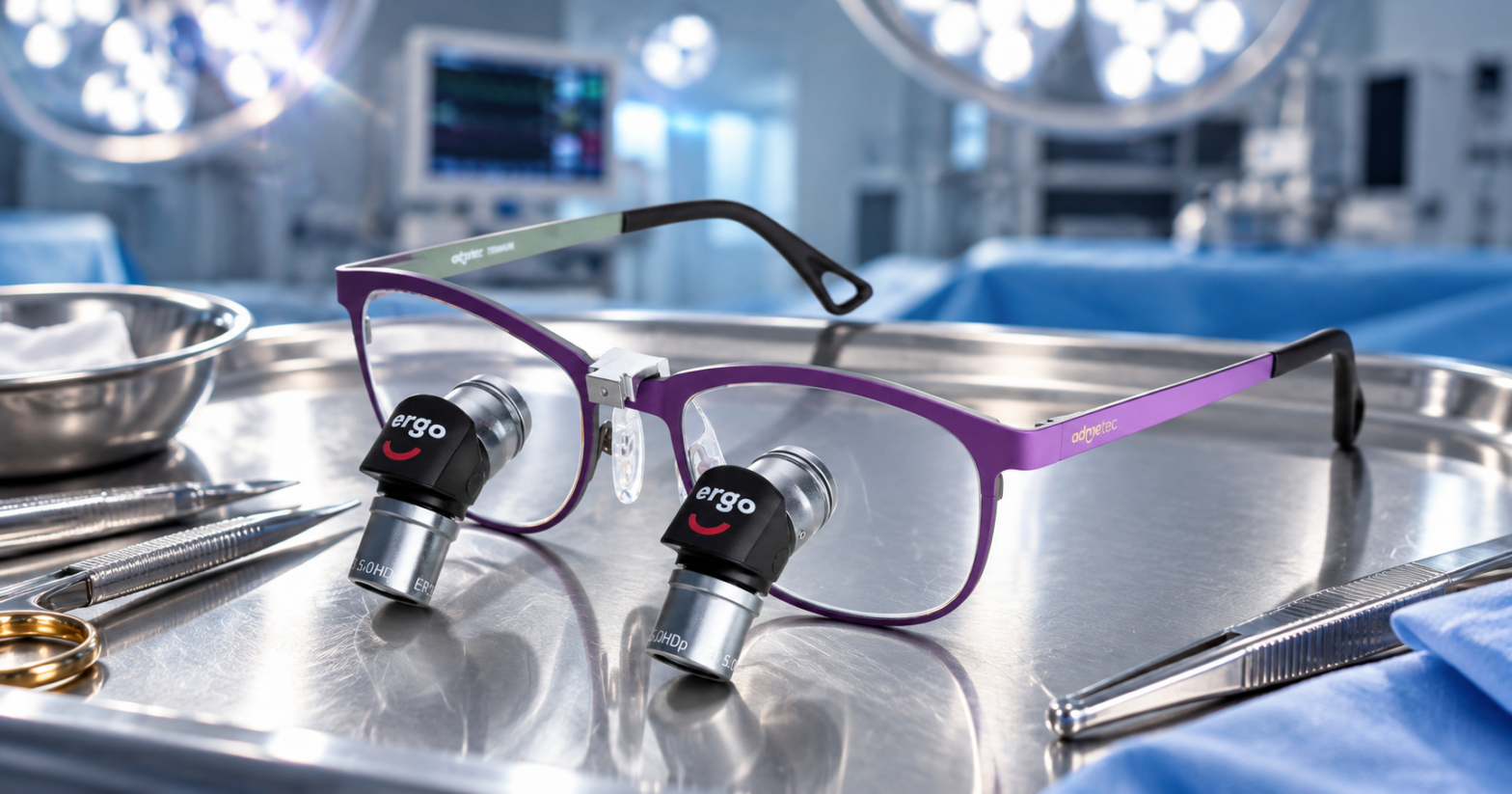
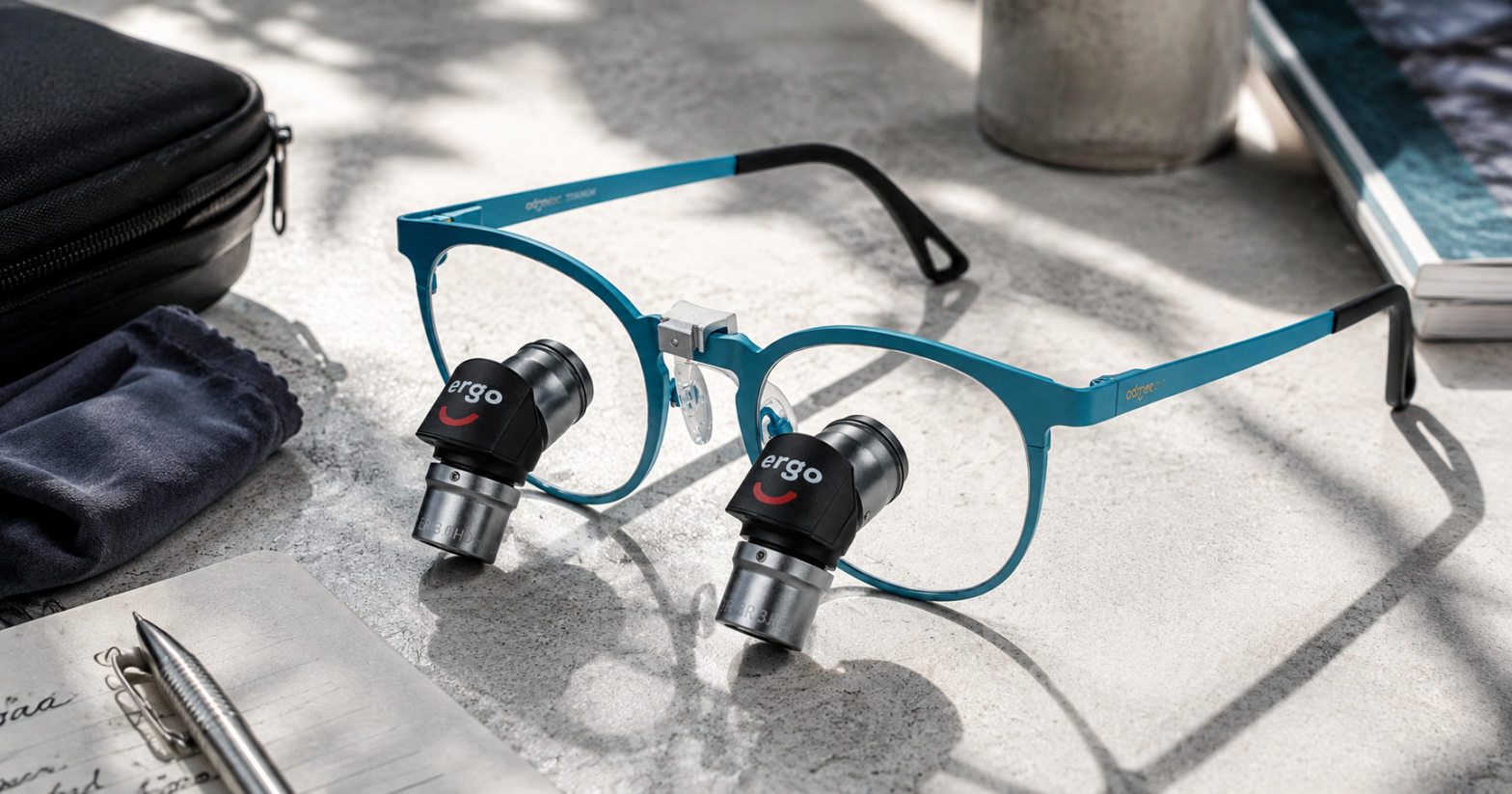
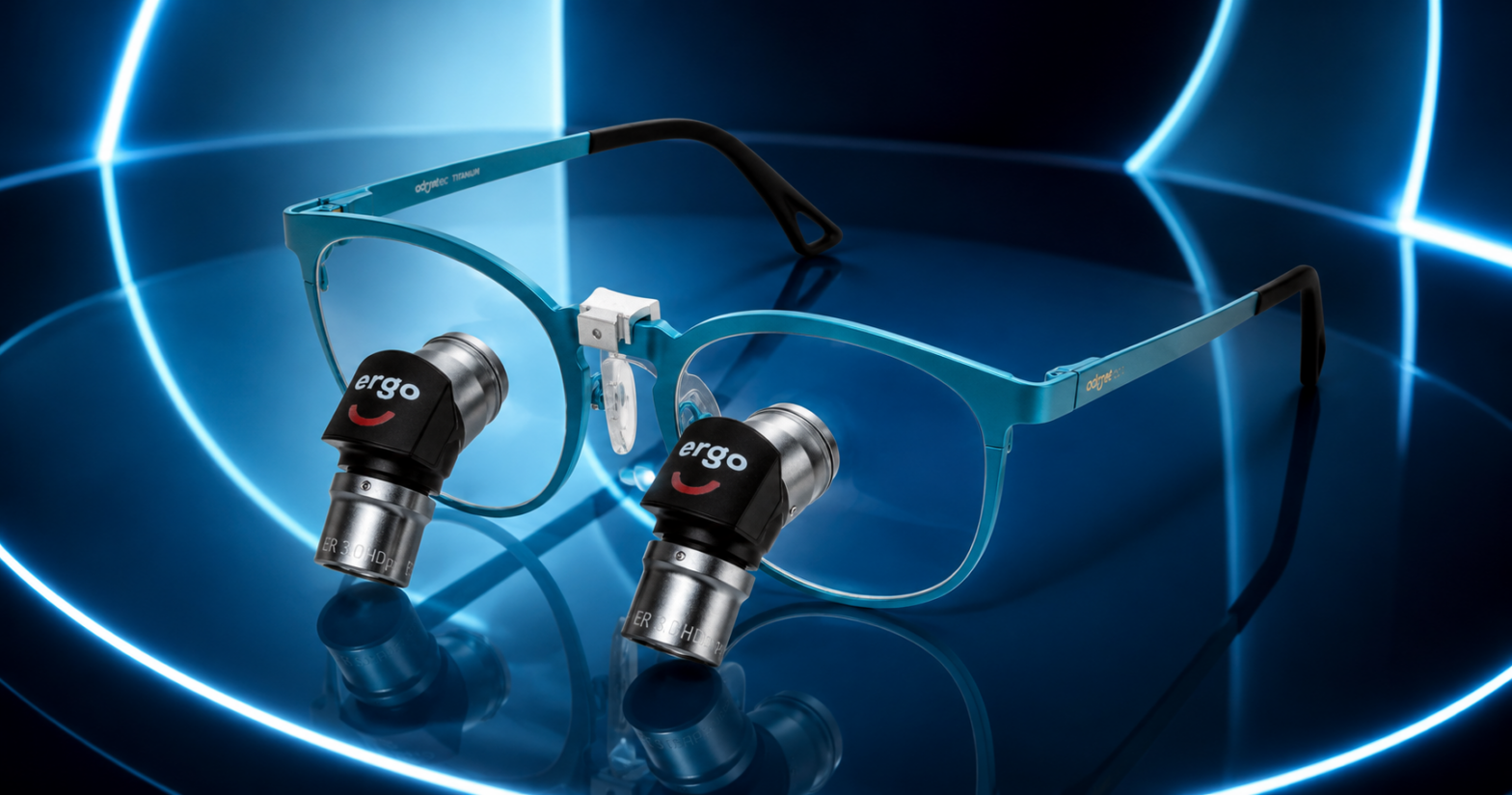
Adjustable dental loupes and specialized ENT magnification systems address this challenge through multi-magnification capability. The admetec ergo v review documentation highlights how practitioners working across multiple magnification levels benefit from seamless optical transitions without equipment changes. For ENT surgeons managing patient cases ranging from simple cerumen impaction to complex endoscopic skull base procedures, this flexibility eliminates the workflow interruptions and inconsistency that plague single-magnification approaches.
Enhanced Visualization in Confined Spaces
Endoscopic ENT procedures necessarily occur in anatomically confined spaces—the external auditory canal, nasal cavity, nasopharynx, and hypopharynx. These environments demand magnification that provides detailed visualization without overwhelming the field of view. Through admetec loupes in singapore and similar engineered solutions, surgeons access magnification ranges (typically 3.0x to 6.0x) that match ENT-specific requirements precisely.
The improved visualization enabled by quality magnification reveals anatomical details and pathology that remain invisible to the naked eye. Surgeons identify subtle mucosal inflammation earlier, recognize anatomical variations before they become complications, and execute more conservative surgical approaches—all contributing to superior patient outcomes and reduced revision surgery rates.
Postural Independence During Extended Procedures
TESS procedures routinely extend beyond 60-90 minutes, with some complex revision cases exceeding three hours of continuous magnified work. Traditional loupes create compounding postural stress throughout these extended timeframes—early fatigue leads to increasingly aggressive neck flexion, which accelerates muscle fatigue, creating a vicious cycle of deteriorating posture and declining precision.
Ergonomic loupes singapore solutions interrupt this cycle by maintaining neutral posture throughout extended procedures. Without the compensatory stress, surgeons maintain consistent hand position, preserve fine motor control, and sustain procedural precision even in late-stage extended cases. This consistency directly benefits patients through superior tissue handling, more conservative surgical dissection, and reduced operative complications.
How to Choose Loupes: A Strategic Framework for ENT Surgeons
When evaluating how to choose loupes for ENT practice, several ENT-specific factors emerge as critical decision criteria.
Assessment of Your Magnification Spectrum
The first evaluation step involves honest assessment of your magnification requirements across all regularly performed procedures. Map your surgical repertoire against required magnifications:
- Otologic procedures: typically 3.0x-4.0x magnification
- Routine FESS: typically 3.5x-4.5x magnification
- Revision FESS with skull base involvement: 4.0x-6.0x magnification
- Laryngeal microsurgery: 4.0x-5.0x magnification
This mapping reveals whether single-magnification systems compromise on specific procedure categories. Many ENT surgeons discover that adjustable dental loupes designed for multi-magnification flexibility actually serve ENT applications exceptionally well, providing the spectrum coverage single-magnification systems cannot match.
Ergonomic Compatibility Evaluation
Beyond magnification, evaluate ergonomic design commitment through specific questions:
- Does the optical design maintain neutral cervical positioning throughout typical procedural times?
- What is the maximum forward head position required to achieve full field of view at your required magnifications?
- Does the frame weight distribution enable all-day comfortable wear without temple pad pressure?
- What adjustment capabilities exist for individual postural variation?
The best dental loupes in singapore for ENT applications prioritize these ergonomic considerations equally with optical performance.
Local Support Infrastructure Verification
ENT surgeons performing precision procedures require reliable equipment support. Evaluate potential suppliers based on:
- Local measurement and fitting expertise understanding ENT-specific requirements
- Rapid adjustment turnaround (48-72 hours maximum for critical adjustments)
- Loaner equipment availability during repair periods
- Technical support accessibility for troubleshooting optical or mechanical issues
- Maintenance programs suited to Singapore’s tropical climate conditions
A competent dental loupe supplier in singapore becomes a critical clinical partner, not merely an equipment vendor.
The Transition Experience: What ENT Surgeons Should Expect
Making the transition to ergonomic loupes in singapore typically involves a structured adaptation period. Most experienced ENT surgeons report 2-4 week adjustment phases before achieving the comfort and precision they experienced with previous equipment. This adaptation timeline proves entirely normal and reflects the neurological retraining required when your primary sensory input during procedures shifts to align with neutral postural positioning.
Initial procedures with new ergonomic loupes may feel slightly disorienting as your brain adapts to the novel angle of visual input. This sensation resolves quickly—typically within 5-10 procedures—after which most surgeons report never wanting to return to traditional loupes. The immediate postural relief and enhanced hand stability during this adaptation phase provides powerful motivation for persisting through the brief adjustment period.
Addressing Common Concerns from Singapore ENT Surgeons
“Will I compromise on optical quality?”
Modern ergonomic loupes engineering achieves optical quality matching or exceeding traditional designs. The admetec ergo v review materials document optical clarity, depth perception, and color accuracy parameters validating this equivalence. The distinction lies not in optical inferiority but in optical philosophy—delivering quality magnification through an optical path that respects human biomechanics.
“Are there limitations to field of view?”
Ergonomic loupe designs achieve field of view dimensions competitive with traditional systems, though design tradeoffs are transparent. Some surgeons initially experience perceived field-of-view narrowing during adaptation, which typically reflects neurological adjustment rather than actual optical limitation. Systematic testing during fitting consultations clarifies true field of view dimensions.
“How long is the adaptation period?”
Most ENT surgeons adapt fully within 4-6 weeks of consistent use. Procedures requiring extended magnification—FESS, endoscopic skull base work—show accelerated adaptation as the cumulative physical relief from eliminating compensatory posture provides powerful positive reinforcement.
Long-Term Career Impact and Health Sustainability
The decision to invest in quality ergonomic loupes extends beyond immediate clinical comfort to fundamentally impact career sustainability. ENT surgeons using ergonomic magnification systems report significantly reduced prevalence of chronic musculoskeletal pain, improved career longevity, and greater satisfaction with professional practice. These outcomes translate to healthier careers, extended productive practice years, and reduced premature retirement driven by occupational health limitations.
For ENT surgeons in Singapore’s competitive healthcare environment, where reputation depends on consistent excellence and patient outcomes depend on surgeon precision, the choice of magnification system becomes a strategic career decision—not merely an equipment purchase.
Frequently Asked Questions
Q: Do ENT surgeons really need ergonomic loupes, or is this just marketing?
A: The clinical evidence supporting ergonomic loupes addresses genuine occupational health challenges affecting 76% of practicing ENT surgeons. This isn’t marketing—it’s addressing a documented health crisis within the specialty.
Q: How long does the adaptation period take before I feel comfortable?
A: Most ENT surgeons adapt to ergonomic loupes within 2-4 weeks of consistent use, with full comfort and procedural confidence established within 6 weeks.
Q: Will adjustable dental loupes designed for dentistry work adequately for ENT procedures?
A: Yes—modern adjustable dental loupes provide magnification ranges (typically 2.5x-6.0x) that encompass ENT requirements. The ergonomic design principles apply universally regardless of specialty.
Q: What happens if I need adjustments after purchase?
A: Quality dental loupe supplier in singapore organizations provide rapid adjustment services within 48-72 hours, with some offering loaner equipment during adjustment periods.
Q: How do I know if ergonomic loupes are right for my practice?
A: Schedule a comprehensive fitting consultation with a qualified supplier. Trial periods allow hands-on evaluation before commitment. If you experience any neck or back pain during your current practice, ergonomic loupes deserve serious consideration.
Q: What if I have existing neck pain—will ergonomic loupes eliminate it?
A: Ergonomic loupes prevent pain progression and eliminate new pain creation. Existing chronic pain may require concurrent treatment, but ergonomic loupes prevent the postural stress that perpetuates pain cycles.
Conclusion
The shift toward ergonomic loupes in singapore’s ENT community reflects recognition of a fundamental truth: sustainable surgical excellence depends on protecting practitioner health. When your magnification system respects your body’s biomechanical design rather than fighting against it, you unlock benefits extending across clinical precision, procedural efficiency, patient outcomes, and career longevity.
For ENT surgeons asking how to choose loupes that serve both immediate clinical needs and long-term career sustainability, the answer increasingly points toward ergonomic designs engineered around human anatomy rather than traditional approaches optimized purely for optical performance. The adjustment period is brief, the clinical benefits are substantial, and the long-term health protection proves invaluable.
Your career as an ENT surgeon is too important to compromise with equipment designed against your body’s natural design. Consider evaluating how to choose loupes that work with your body rather than against it—your neck, your hands, and your patients will thank you.