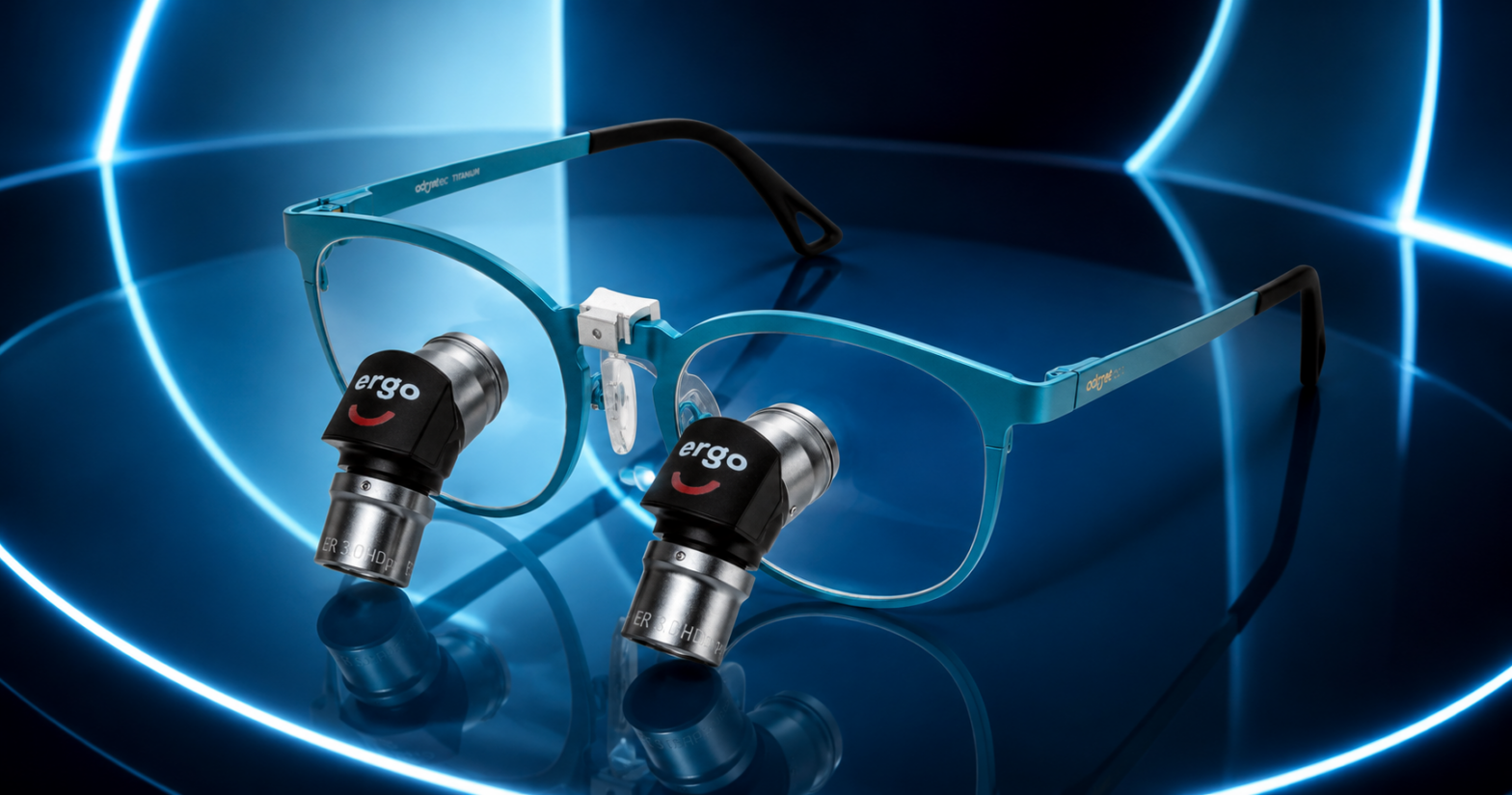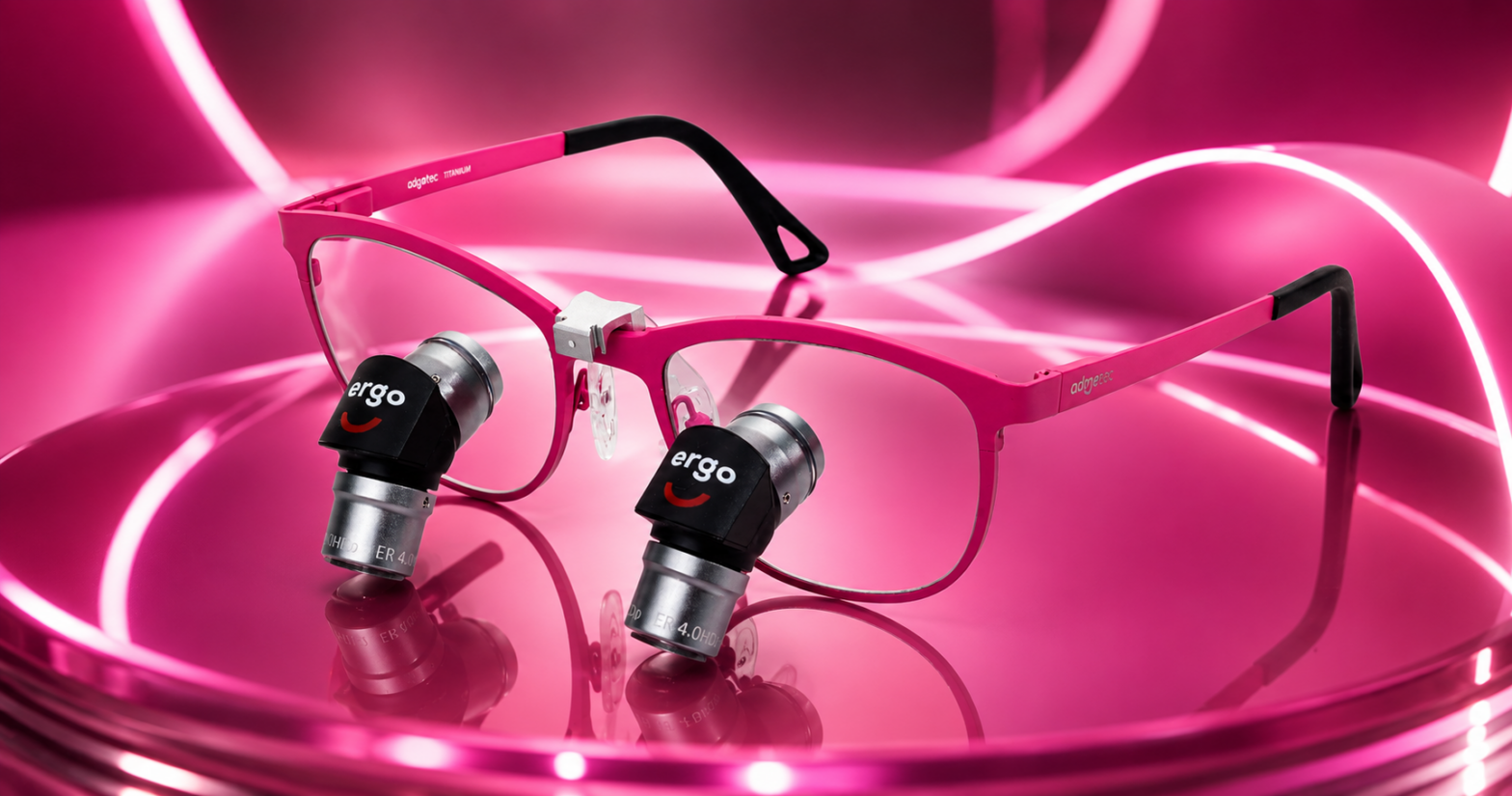
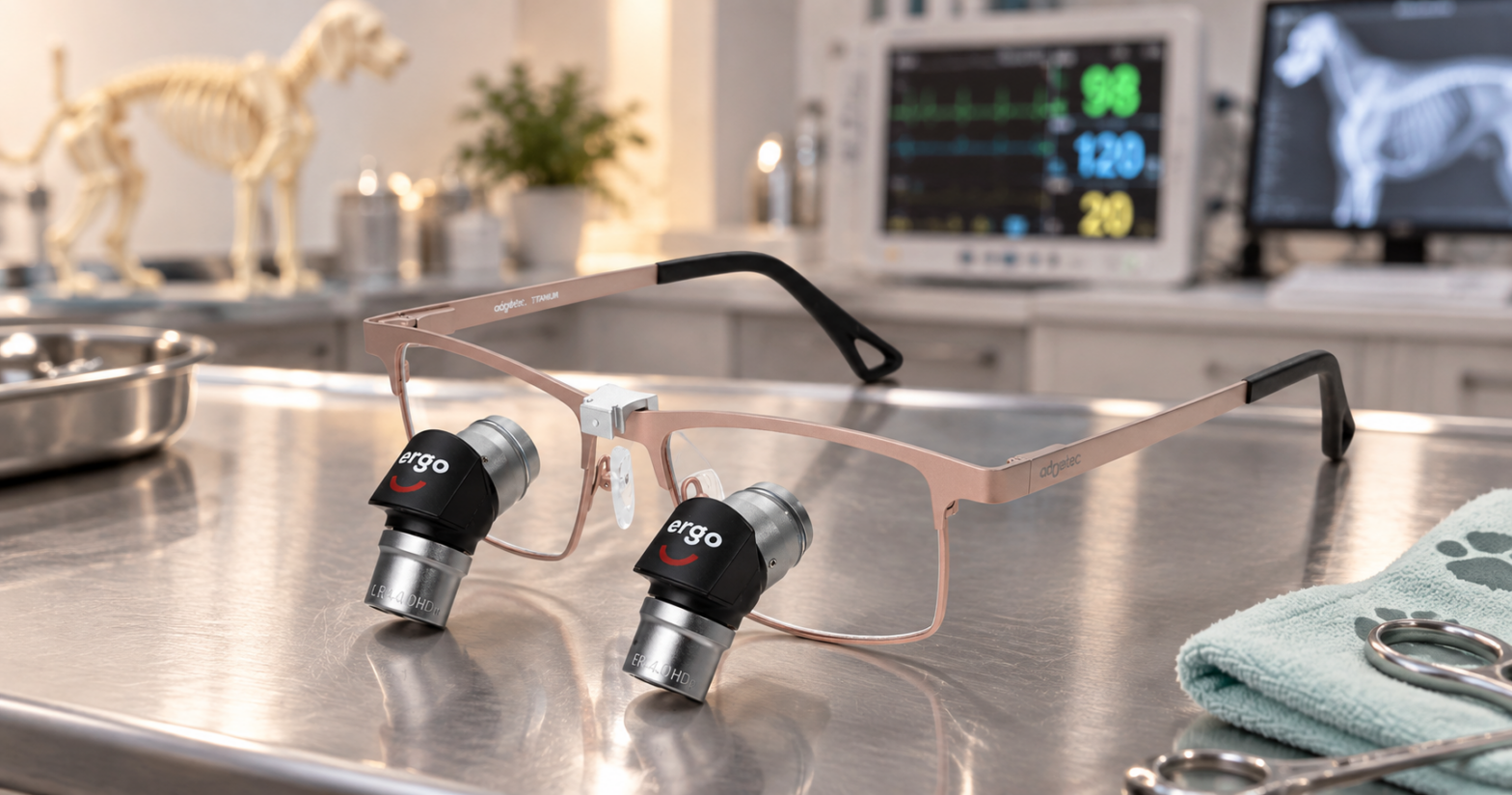
Surgical Loupes for Veterinarians in Singapore: How Magnification Can Support Precision in Veterinary Surgery
Veterinary surgery presents a set of physical and visual challenges that few other medical fields encounter. Practitioners regularly transition between operating on a small avian patient, performing delicate feline ophthalmic procedures, and undertaking deep cavity soft tissue surgeries on large canine breeds. With the help of surgical loupes for Veterinarians, navigating tiny vascular networks, identifying subtle pathological margins, and placing micro-sutures accomplish extraordinary visual clarity. However, attempting to gain a closer view of intricate anatomical structures often forces clinicians into severe forward-bending postures. For practitioners across the region, admetec has transformed clinical precision by combining high-definition optics with groundbreaking ergonomic design. Through admetec singapore, veterinary surgeons can now access specialized magnification systems built to enhance surgical outcomes while protecting physical health.
Why Veterinary Magnification Requires Advanced Engineering from Admetec
In veterinary practice, no two surgical cases are identical. Unlike human healthcare, where surgical fields remain relatively standard per specialty, veterinary clinicians routinely manage extreme variations in patient anatomy. Operating inside narrow body cavities or working on delicate structures such as nerves and small vessels requires clear, distortion-free visual enhancement. Utilizing dedicated veterinary magnification transforms how surgical teams approach complex cases.
Traditional operating lights and standard vision often prove insufficient when performing deep thoracic or abdominal procedures. When surgical fields are shrouded in shadow or restricted by small incisions, clinicians naturally compensate by leaning closer to the patient. This instinctive movement creates two distinct problems: it obstructs ambient light sources and places immense strain on the cervical spine. High-performance surgical loupes for veterinarians solve this dual challenge by delivering coaxial lighting directly into the visual axis while magnifying the target area with exceptional depth of field. By expanding the visual window without requiring physical proximity, surgeons can identify tissue planes with confidence and place precise sutures even in restricted anatomical locations.
Overcoming Postural Strain: How Admetec Singapore Supports Veterinary Surgeons
Long surgical days take a heavy toll on the practitioner’s body. Standing or sitting bent over an operating table for hours causes cumulative micro-trauma to the neck, shoulders, and lower back. Maintaining a forward head tilt of 30 degrees effectively quadruples the physical load on the cervical spine, leading to chronic muscle spasm, nerve compression, and early physical exhaustion.
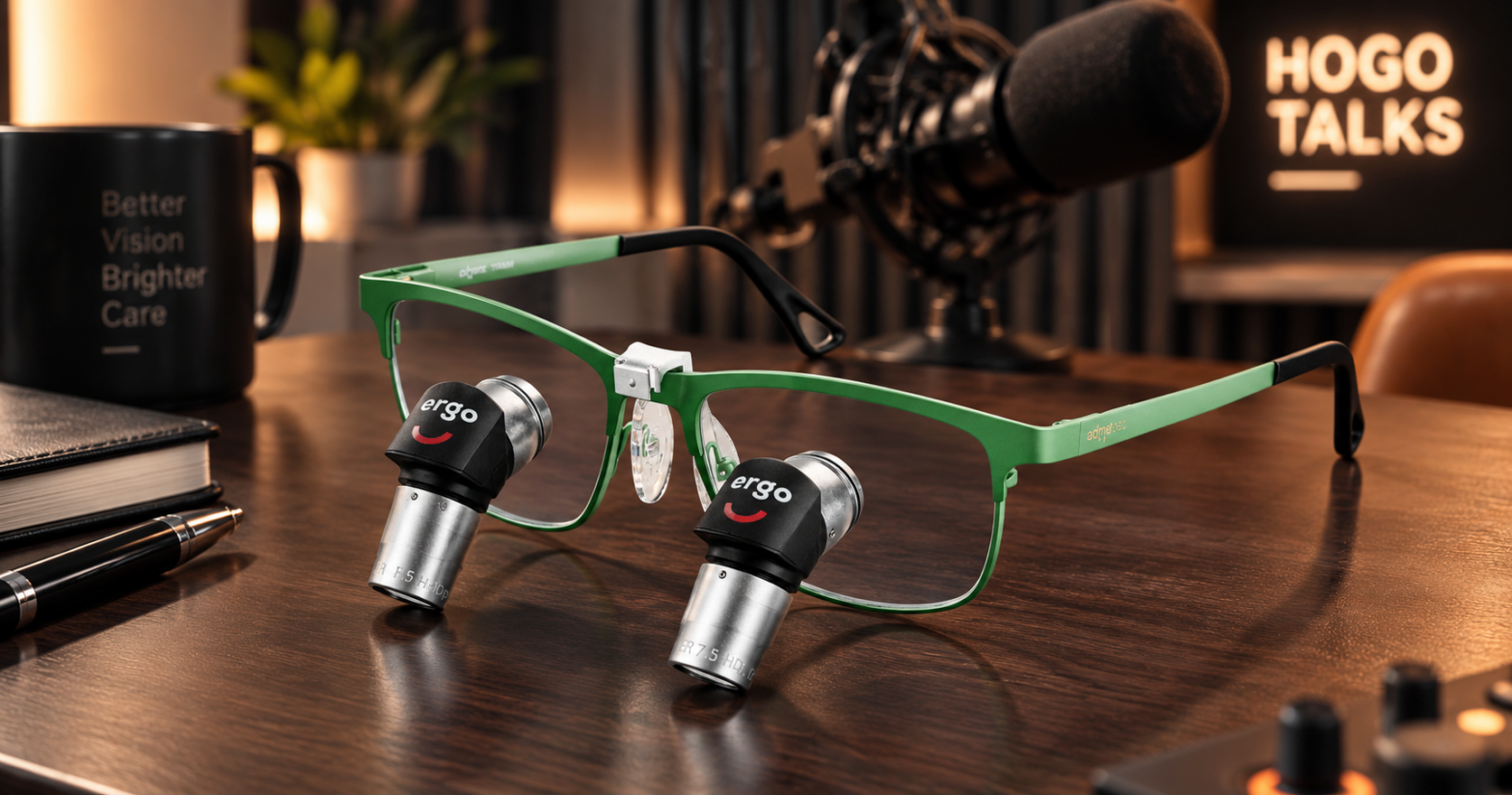
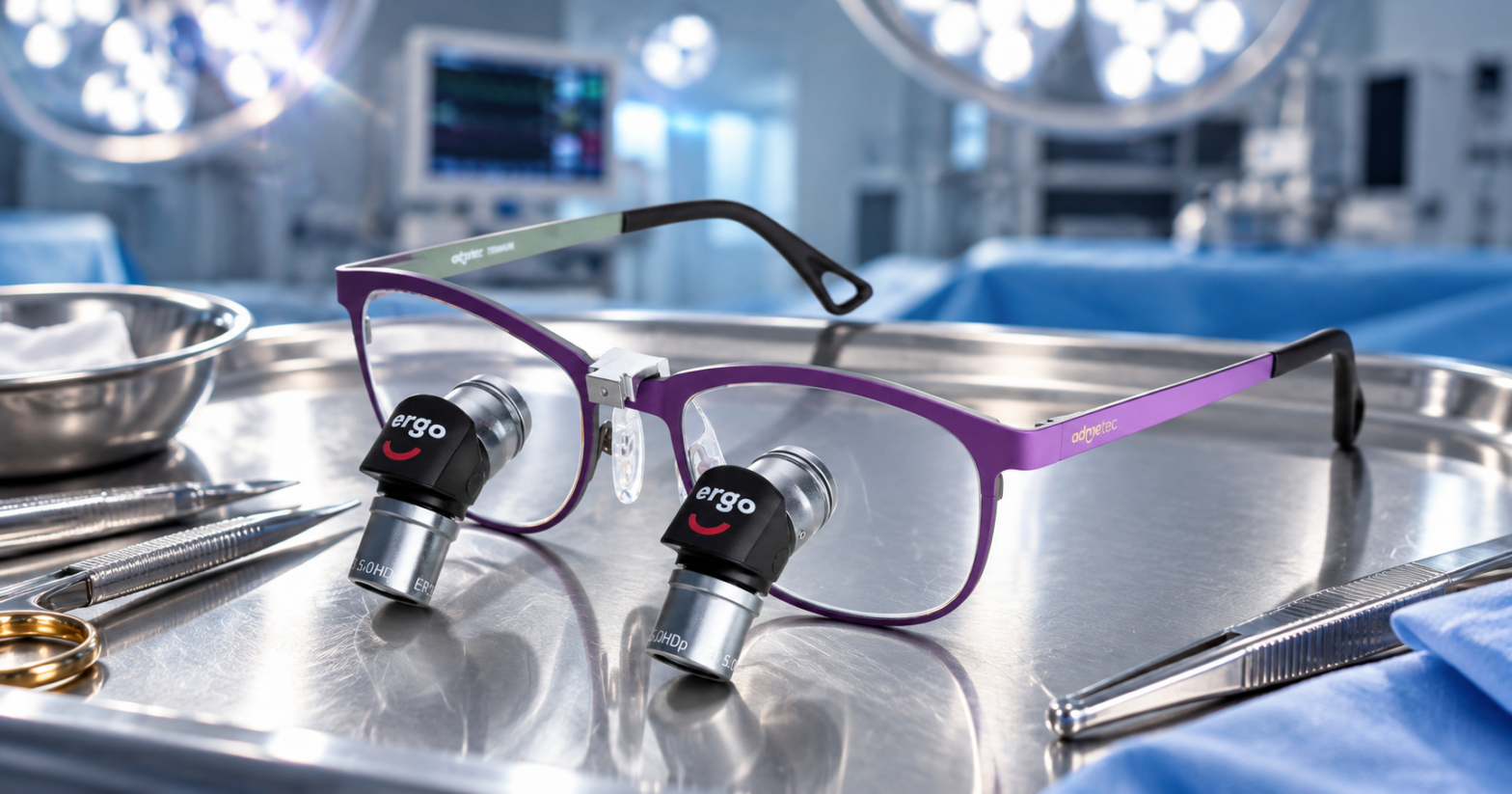
The adoption of ergonomic surgical loupes fundamentally alters this physical dynamic. By utilizing advanced optical deflection technology, these specialized instruments bend the incoming light path rather than forcing the surgeon to bend their body. Through the solutions provided by admetec singapore, veterinary clinicians can keep their heads completely upright with a neutral cervical angle of under 10 degrees. Looking straight ahead while viewing the surgical site directly below eliminates continuous muscular contraction in the neck and back. This postural preservation reduces tremors, maintains hand stability during delicate vascular work, and ensures that physical fatigue does not compromise surgical outcomes toward the end of a demanding day.
Specialized Applications of Magnification Systems for Veterinary Surgery
The integration of advanced magnification systems for veterinary surgery enhances clinical consistency across a wide array of procedures:
- Veterinary Dentistry and Oral Surgery: Fractured tooth extractions, periodontal flap management, and root canal therapy require detailed visualization of tooth roots and delicate mucosal tissue. Precision optics ensure clean root tip retrievals without damaging surrounding alveolar bone.
- Ophthalmic and Microsurgical Procedures: Corneal suture placement, cataract removal, and eyelid reconstructive surgeries require crystal-clear edge-to-edge optical resolution. High-definition optics allow for accurate needle passage through delicate tissues.
- Soft Tissue and Abdominal Surgery: Identifying small bleeding vessels, managing intestinal anastomoses, and performing laparoscopic-assisted procedures become faster and safer when illumination and magnification are perfectly aligned.
- Exotic Animal Medicine: Operating on tiny mammalian, avian, or reptile patients demands extreme precision. Specialized veterinary loupes turn minute anatomical structures into clear, workable fields, reducing procedure times and anesthetic risk for delicate patients.
Key Factors When Selecting Surgical Loupes for Veterinarians
Selecting the right optical system requires careful evaluation of both clinical needs and physical biometrics. A generic, off-the-shelf product cannot provide the customization required for high-stakes veterinary procedures.
- Custom Working Distance: Veterinary surgeons often work at varying heights depending on patient size and table positioning. The working distance must be measured precisely to match the clinician’s natural posture.
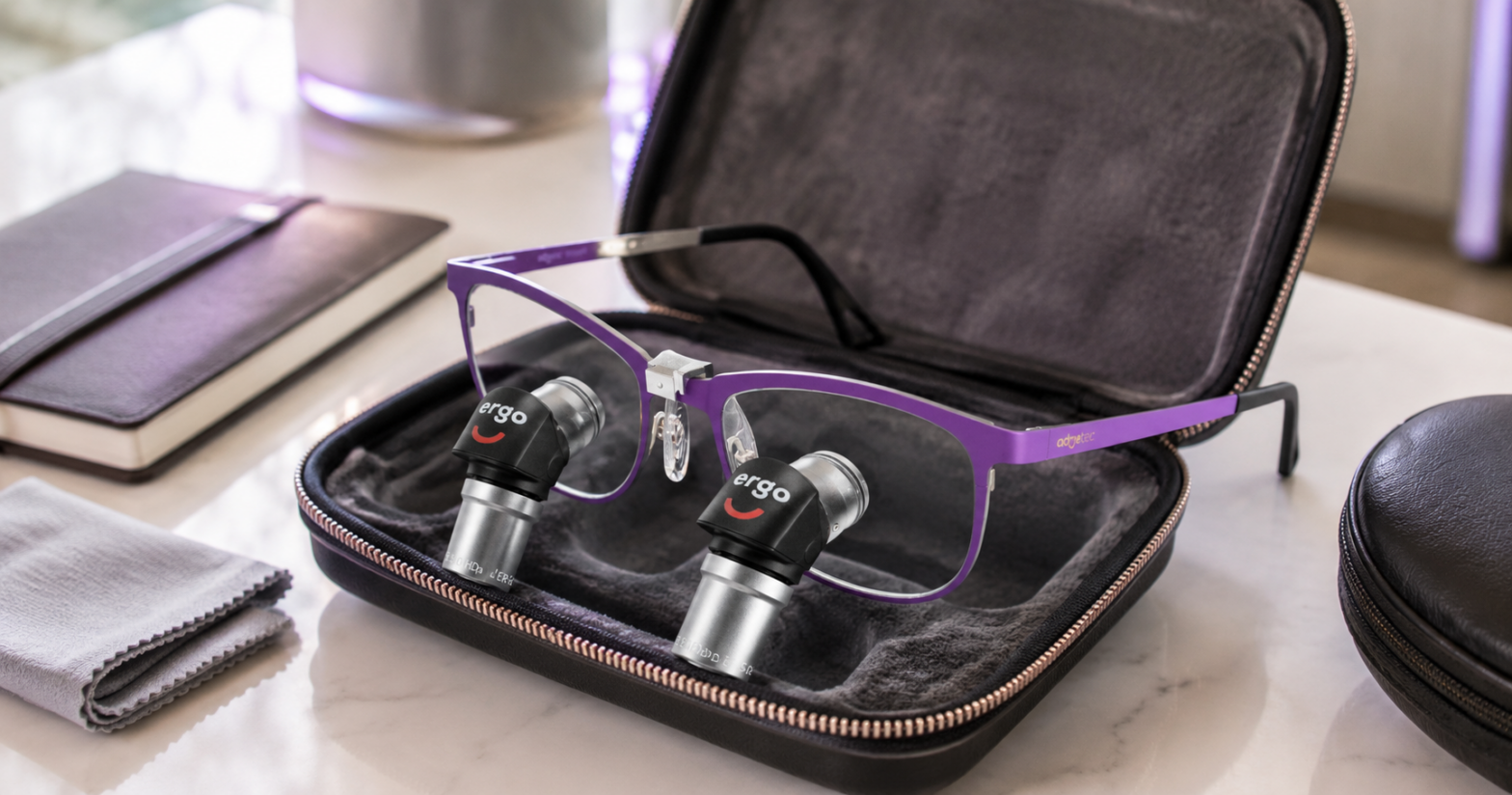
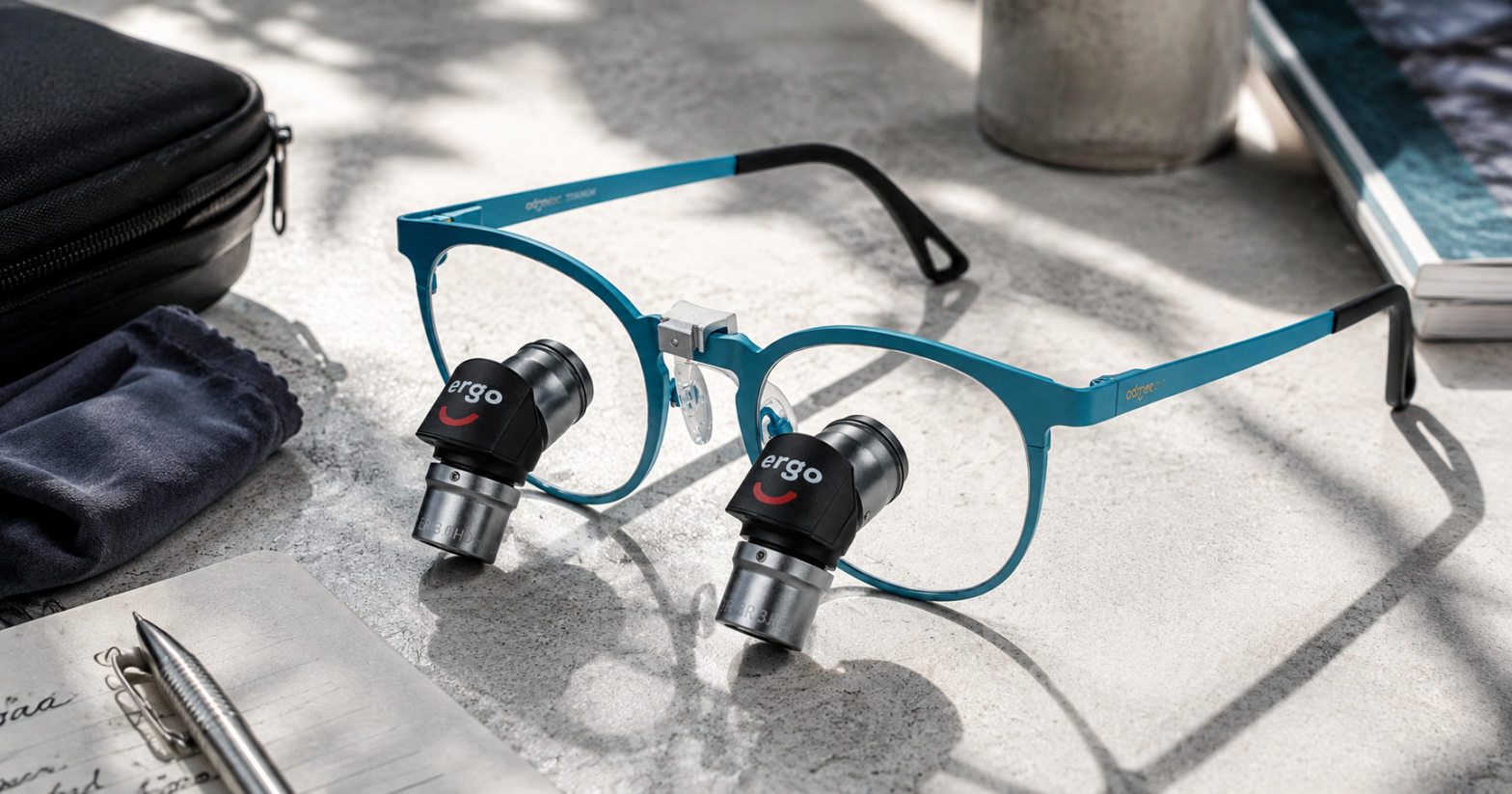
- Optimized Frame Weight and Balance: Bulky frames create discomfort on the nasal bridge and face, triggering distraction during critical surgical steps. Advanced assemblies feature ultra-lightweight titanium frames that distribute weight evenly across the head.
- Coaxial Illumination Integration: Pair your optics with a bright LED headlight that mounts directly to the frame. Coaxial lighting eliminates shadows inside narrow cavities by casting light along the exact line of sight.
- Field of View and Depth of Focus: A wider field of view allows the surgeon to monitor surrounding tissues without constant head movement, while a generous depth of focus reduces the need to re-adjust positioning during subtle surgical maneuvers.
Partnering with an authorized local supplier ensures that your initial measurement session captures your exact interpupillary distance and declination angle. Local calibration guarantees that your equipment arrives tailored exclusively to your body and continues to receive long-term technical support.
Elevating the Standard of Veterinary Care in Singapore
The field of veterinary medicine in Singapore continues to advance rapidly, with clinics adopting state-of-the-art diagnostic and surgical technologies. Equipping your surgical suite with high-performance optical tools from admetec ensures that your physical health keeps pace with your clinical expertise. Transitioning to ergonomic refractive optics protects your spine, sharpens your surgical vision, and allows you to deliver predictable, high-level patient care throughout a long and rewarding career.
Frequently Asked Questions (FAQ)
Why should veterinary surgeons use ergonomic surgical loupes in Singapore? Ergonomic surgical loupes utilize optical deflection technology to bend the visual path downward. This allows veterinary surgeons to work with a completely upright, neutral head position, preventing the chronic neck, shoulder, and back pain associated with long surgical procedures.
How does veterinary magnification improve soft tissue and exotic animal surgery? Veterinary magnification expands the visual field and sharpens anatomical details, allowing clinicians to easily identify small blood vessels, delicate nerve pathways, and subtle tissue margins. In exotic animal medicine, where structures are extremely small, high-definition optics make micro-suturing safer and significantly faster.
What is the difference between standard optics and deflection optics for veterinarians? Standard optics require the surgeon to tilt their head downward to look into the surgical field, which places intense physical strain on the cervical spine. Deflection optics redirect the light path, allowing the surgeon to look straight ahead while clearly viewing the operating site below.
How do I choose the best magnification systems for veterinary surgery? Choosing the right system involves measuring your exact working distance, interpupillary alignment, and preferred surgical posture. It is essential to work with a specialized local supplier who can customize the optical alignment to your physical proportions and provide ongoing technical support.
References
- Admetec Surgical Innovations. “Refractive Optics and Ergonomic Posture in Surgical Disciplines.” Admetec Global Whitepaper.
- Veterinary Ergonomics Study Group. “Postural Load and Musculoskeletal Strain in Veterinary Surgeons.” Journal of Veterinary Healthcare.
- Admetec Singapore Clinical Resources. “How to Choose Loupes in Singapore: Essential Tips for Dentists & Surgeons.”
- Admetec Product Catalog. “Ergo Loupes & Coaxial Headlight Systems for Microsurgery.”