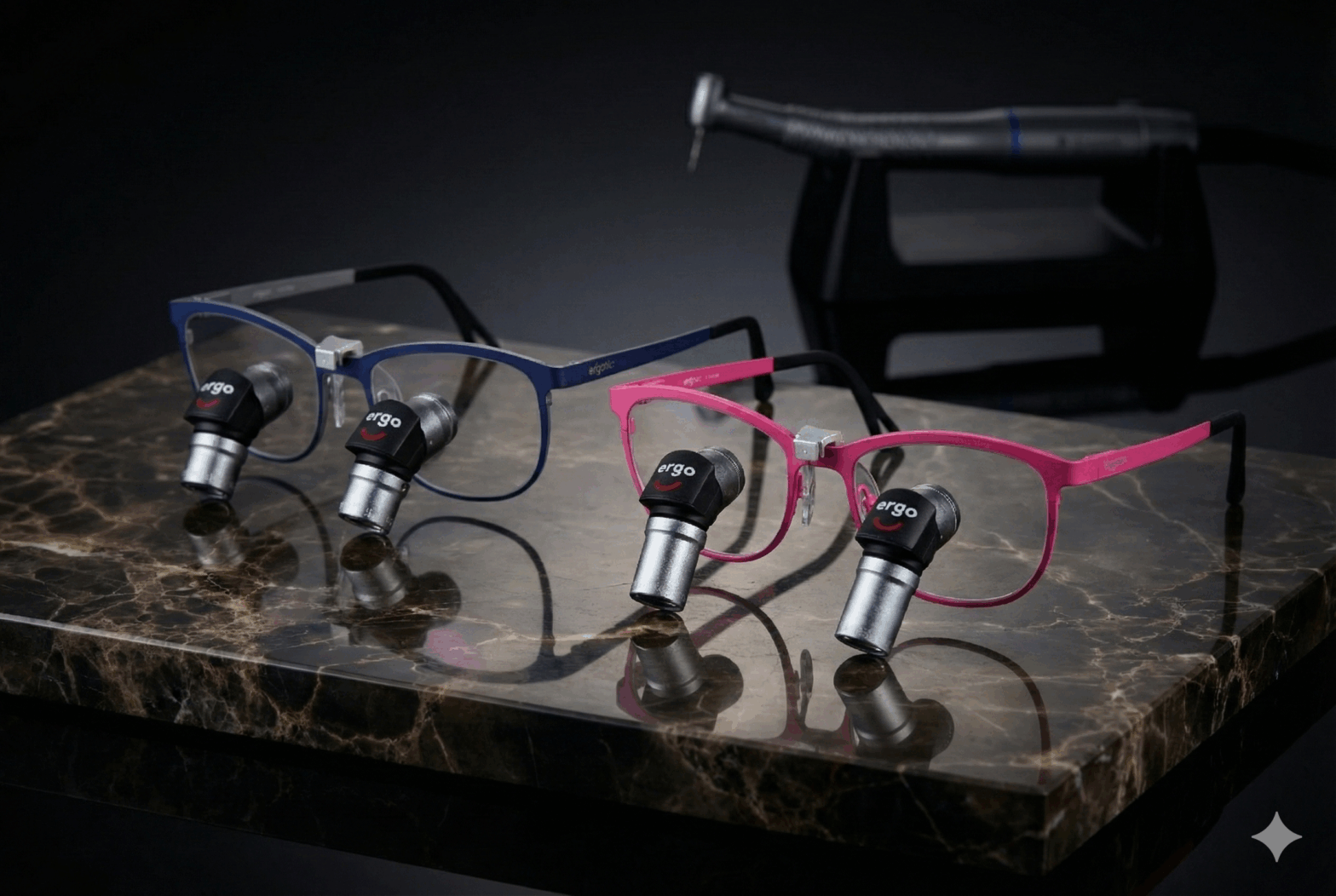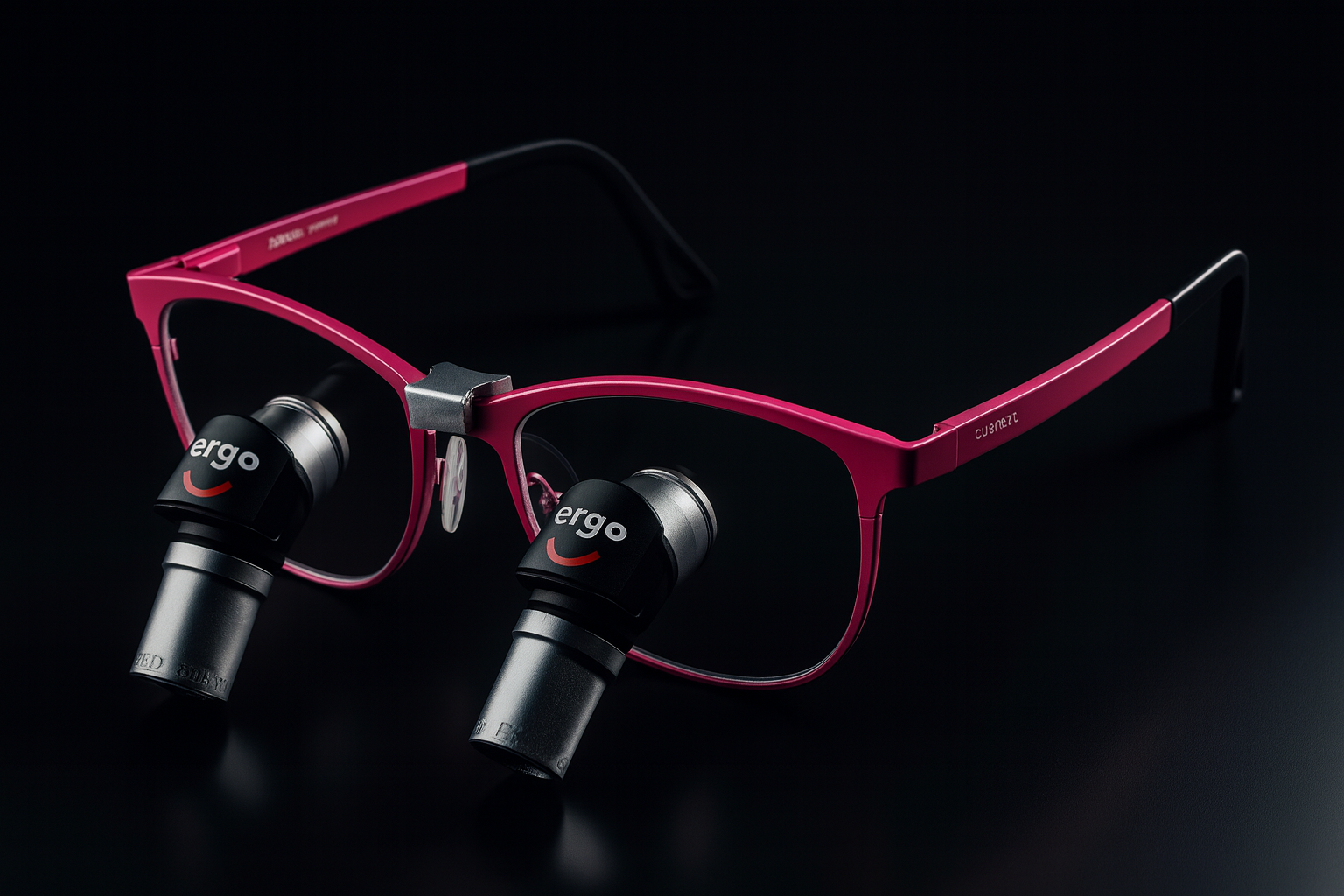
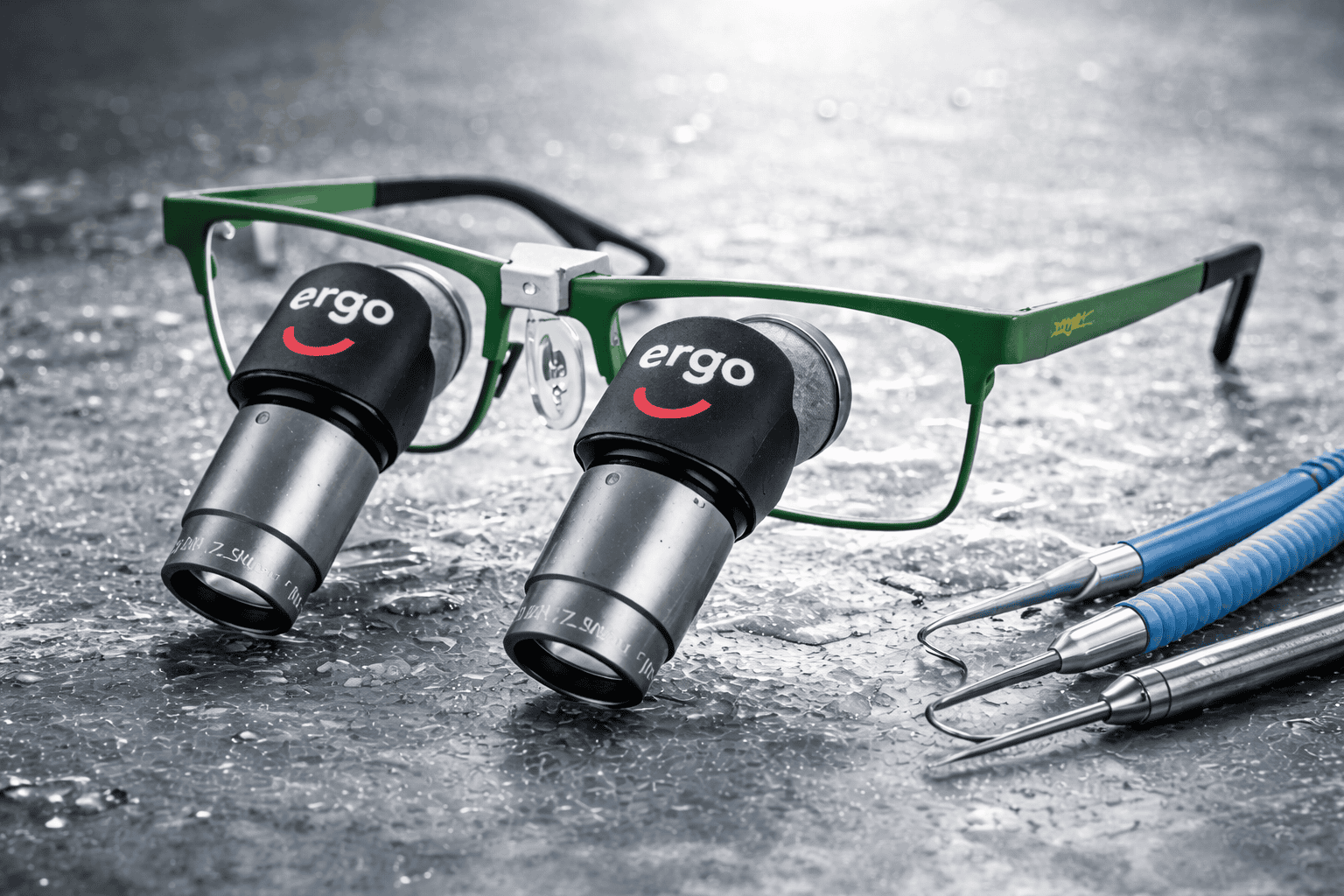
Enhancing Surgical Detail for Plastic Surgeons: A Clinical Look at Adjustable Dental Loupes and High-Precision Magnification
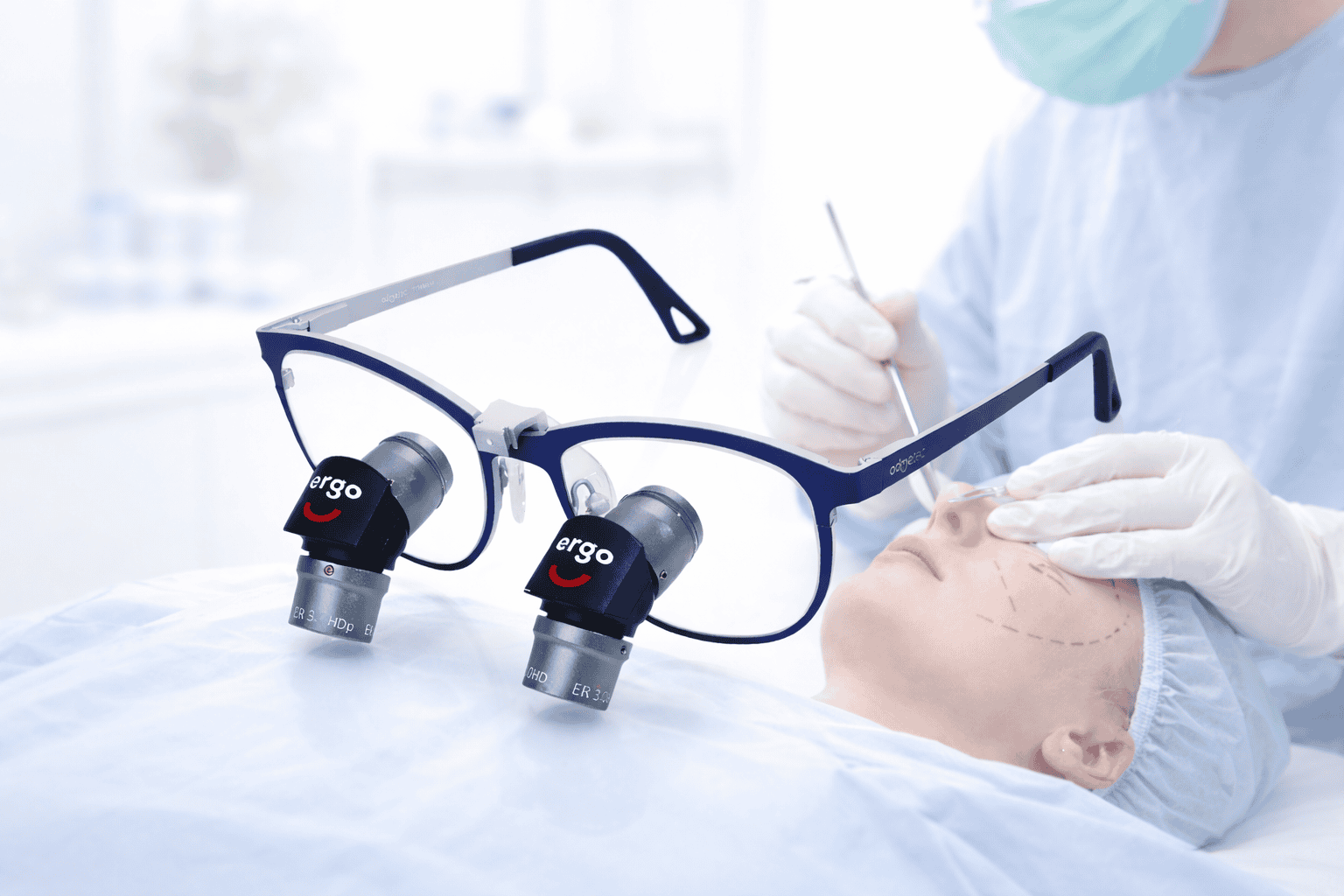
Plastic surgery demands visual precision that exceeds almost every other surgical specialty. Whether executing intricate facial reconstruction, performing microsurgical tissue grafting, or achieving the meticulous wound closure that separates good aesthetic outcomes from exceptional ones, plastic surgeons operate at magnification thresholds where even microscopic variations in technique create visible differences in final results. Yet many plastic surgeons continue relying on loupes selected years ago—systems that compromise between magnification power and surgical workflow, forcing procedural compromises that diminish precision. The emerging solution reshaping plastic surgical practice involves understanding how adjustable dental loupes provide the magnification flexibility and ergonomic support that traditional systems cannot match.
The Precision Challenge in Plastic Surgery
Plastic surgical procedures occupy a unique magnification territory. Unlike oral surgery where fixed 4.0x-5.0x magnification addresses most procedures effectively, plastic surgery encompasses dramatically diverse magnification requirements. Routine face lift dissection requires different magnification than precision eyelid blepharoplasty, which differs fundamentally from microsurgical composite graft placement or intricate nerve repair. This magnification variability creates a persistent clinical dilemma: select fixed-magnification loupes optimized for your highest-precision procedures, and routine dissection becomes visually overwhelming; optimize for routine cases, and your most delicate procedures lack adequate magnification detail.
This isn’t a minor workflow inconvenience—it represents a genuine limitation affecting the precision that defines your surgical reputation. The admetec ergo v review materials repeatedly highlight how plastic surgeons specifically benefit from multi-magnification flexibility, describing the elimination of these procedural compromises as transformative for clinical performance.
Why Adjustable Dental Loupes Address Plastic Surgical Magnification Needs
The category name “adjustable dental loupes” reflects their origin, yet modern multi-magnification systems designed for dental applications provide optical specifications matching and exceeding magnification requirements across plastic surgical procedures. The critical distinction lies in how adjustable systems enable seamless magnification transitions without equipment changes—a capability traditional fixed-magnification loupes fundamentally cannot provide.
Adjustable dental loupes typically offer magnification ranges spanning 2.5x through 7.0x, with many systems providing intermediate options like 3.0x, 4.0x, 5.0x, and 6.0x. For plastic surgeons, this range encompasses virtually every magnification requirement:
- Routine dissection and undermining: 2.5x-3.5x magnification provides adequate visualization while maintaining broad field of view
- Standard facial reconstruction procedures: 3.5x-4.5x magnification balances detail and contextual awareness
- Precision wound closure and eyelid work: 5.0x-6.0x magnification reveals tissue planes and suture positioning with clarity that transforms technique precision
- Microsurgical tissue grafting and nerve repair: 6.0x-7.0x magnification enables the detail recognition and hand control that microsurgical outcomes demand
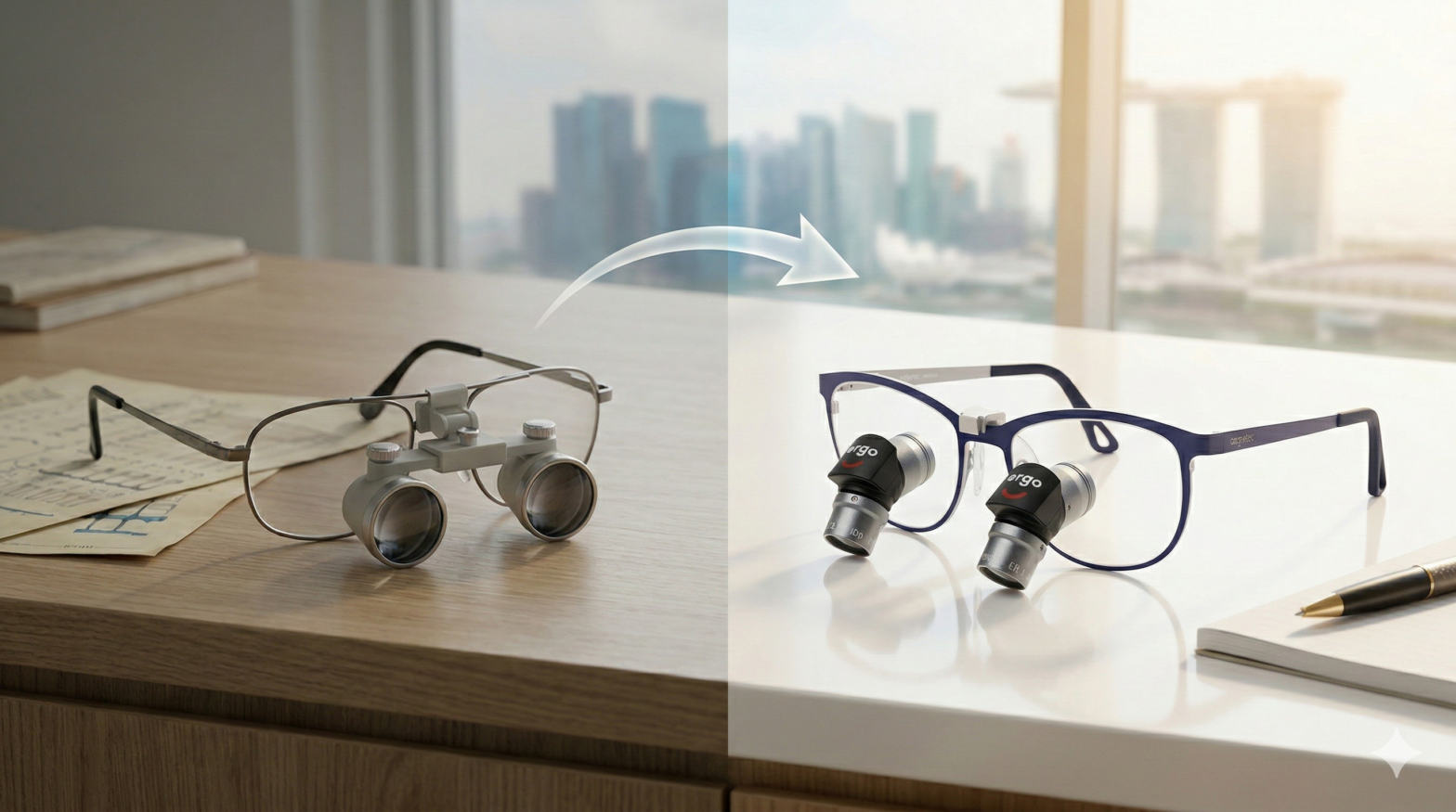
By providing this spectrum within a single system, adjustable dental loupes eliminate the equipment management challenge that plagues traditional surgical practice. You don’t choose between magnification systems based on expected procedure type—you simply adjust magnification as procedural requirements shift, maintaining continuous visual optimization throughout every case.
Clinical Advantages for Plastic Surgical Precision
The precision advantages of adjustable systems extend far beyond mere magnification convenience. When magnification matches procedural requirements exactly—neither excessive nor insufficient—your surgical technique fundamentally changes.
Enhanced Tissue Plane Recognition
Proper tissue plane dissection separates competent surgery from exceptional surgery. At inadequate magnification, you identify tissue planes through tactile feedback and anatomical experience rather than visual clarity. This knowledge-dependent approach introduces variability—your dissection precision depends entirely on your experience level and tactile sensitivity on any given procedure.
Adequate magnification—the kind adjustable dental loupes provide—reveals tissue plane characteristics that transform dissection from a knowledge-dependent skill to a visually-guided process. You actually see the tissue plane transition, observe the fascial separation, and recognize anatomical variations before they become complications. This visual guidance elevates every surgeon’s dissection precision, reduces operative time through more efficient tissue management, and diminishes the complications that arise from uncertain plane identification.
Microsurgical Precision in High-Stakes Procedures
Composite tissue grafting, nerve repair, and vascular anastomosis represent plastic surgery’s most precision-dependent procedures. At these magnification thresholds, even minor optical limitations create tangible performance differences. The ability to adjust magnification from 6.0x for gross tissue positioning to 7.0x for precise suture placement without changing equipment proves invaluable—it eliminates the interruption, maintains procedural flow, and most importantly, maintains the visual consistency that muscle memory depends upon.
Plastic surgeons who have experienced this magnification flexibility consistently report improved microsurgical outcomes, reduced operative complications, and enhanced technical confidence during high-stakes cases.
Reduced Eye Strain During Extended Procedures
Extended operative cases—complex facial reconstruction, multiple-area aesthetic procedures, or revision surgery addressing previous dissection—involve magnified surgical visualization for 2-4 hour continuous periods. At fixed magnifications, accommodating for non-optimal magnification magnifies (pun intended) eye strain accumulation. If magnification is slightly excessive for portions of the case, your eyes work harder compensating for the field-of-view limitation; if magnification proves insufficient, your eyes strain attempting to resolve adequate detail.
Adjustable systems eliminate these adaptations. By matching magnification precisely to real-time procedural requirements, you eliminate the optical stress that drives eye fatigue. Surgeons report completing extended complex cases with significantly reduced eye strain—a small advantage that accumulates meaningfully across high-volume surgical careers.
How to Choose Loupes: A Plastic Surgeon’s Framework
When evaluating how to choose loupes optimized for plastic surgical practice, several specialty-specific factors merit careful consideration.
Magnification Range Assessment
Begin by mapping your surgical repertoire against magnification requirements:
- What percentage of your practice involves routine face lift, body contouring, and cosmetic breast surgery? These typically require 3.0x-4.0x magnification.
- What percentage involves precision procedures like blepharoplasty, rhinoplasty, or scar revision? These typically require 4.0x-5.5x magnification.
- What percentage involves microsurgical techniques like composite grafting or nerve repair? These require 5.5x-7.0x magnification.
This assessment reveals whether single-magnification systems force procedural compromises. Many plastic surgeons discover that adjustable dental loupes eliminate magnification compromises across 60-80% of their surgical mix.
Ergonomic Compatibility for Extended Cases
Plastic surgery often involves extended operative times. During 3-4 hour complex reconstruction procedures, ergonomic loupes in singapore design becomes critical. Evaluate potential systems based on:
- Does the design maintain neutral cervical positioning throughout extended procedures?
- What is the maximum forward head flexion required to achieve full field of view at critical magnifications?
- Does frame weight distribution prevent temple fatigue even during extended wear periods?
- What customization options exist for individual anatomical variation?
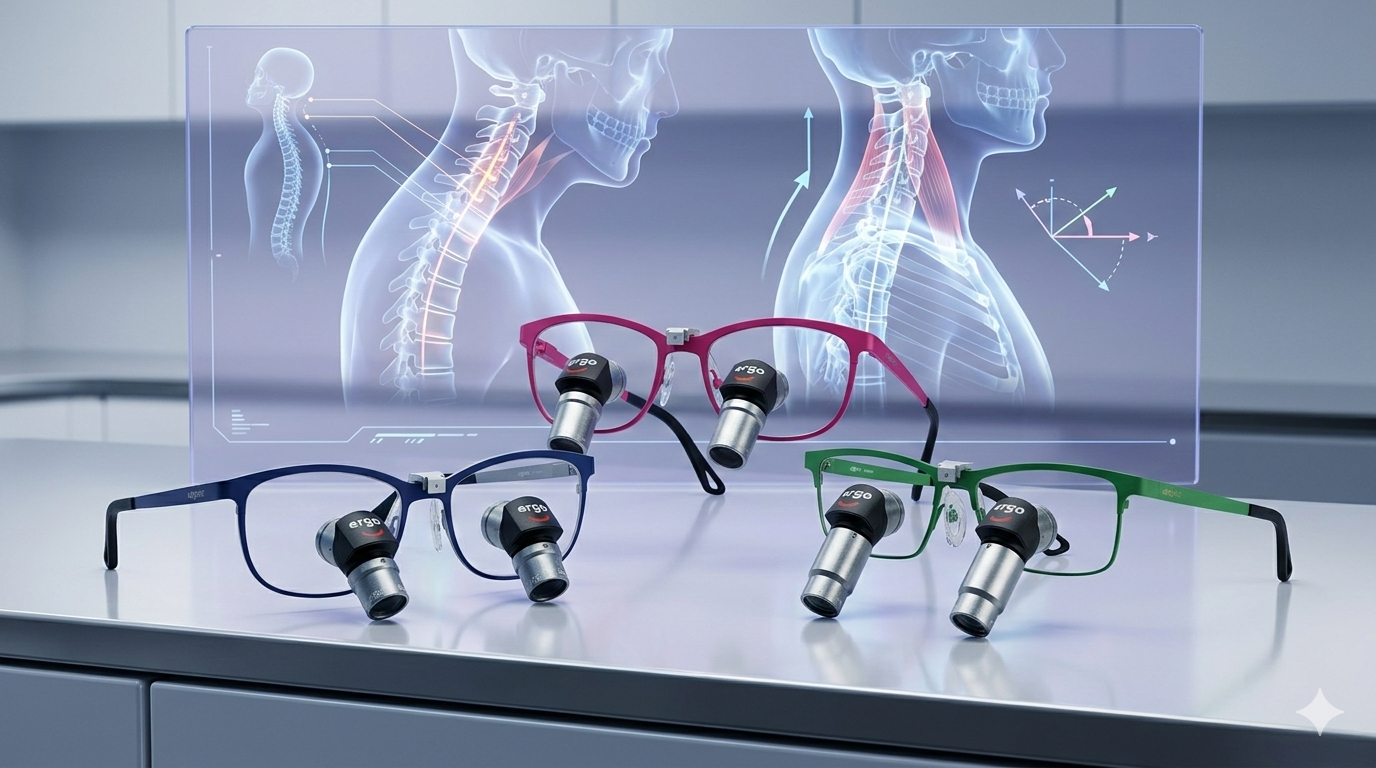
The benefits of ergonomic loupes become particularly apparent during extended procedures where postural stress accumulates. Systems forcing compensatory neck flexion create progressive fatigue that subtly degrades hand precision—exactly when you need maximum control.
Optical Quality and Color Accuracy
Plastic surgery’s aesthetic focus demands superior color accuracy and optical clarity. Evaluate systems for:
- Optical aberrations at various magnifications—distortion should be minimal across your required magnification range
- Color accuracy and spectrum rendering—critical for assessing tissue perfusion, vascular status, and aesthetic details
- Anti-reflection coatings minimizing glare from surgical lights and tissue reflectivity
- Field of view adequacy at critical magnifications
The admetec loupes in singapore product line, for instance, specifically emphasizes optical clarity across magnification transitions—a specification uniquely important for plastic surgical applications where visual aesthetics matter as much as magnification power.
Local Support Infrastructure
Professional-grade magnification systems require reliable support infrastructure. When evaluating dental loupe supplier in singapore options, assess:
- Local measurement and fitting expertise understanding plastic surgical requirements
- Rapid adjustment capability—48-72 hour maximum turnaround for critical adjustments
- Technical support accessibility for optical or mechanical troubleshooting
- Maintenance programs suited to Singapore’s tropical climate
- Loaner equipment availability during repair periods
Quality local support becomes particularly valuable for plastic surgeons performing complex cases where equipment issues create genuine operative complications.
Addressing Plastic Surgeons’ Common Concerns
“Will adjustable systems match the optical quality of traditional loupes?”
Modern adjustable systems achieve optical quality competitive with or exceeding traditional designs. The distinction lies in how optical quality is delivered—through an optical path that respects biomechanical design rather than fighting against it. The admetec ergo v review documentation validates optical clarity and color accuracy specifications—concerns plastic surgeons should rightfully prioritize.
“Is the magnification adjustment process disruptive during procedures?”
No—adjustable systems are specifically engineered for seamless magnification transitions. Adjustment typically involves simple hand controls requiring minimal focus shift. Most surgeons adapt to magnification adjustment within a handful of procedures, after which the process becomes unconscious—similar to how dental professionals adjust overhead lighting without conscious attention.
“What’s the learning curve for transitioning from traditional loupes?”
Most plastic surgeons adapt to adjustable systems within 4-8 procedures. Initial procedures may feel slightly novel as you experience magnification flexibility you’ve never had, but the adaptation timeline proves remarkably brief. The clinical advantages begin manifesting immediately, providing powerful motivation for persistence through any minor adjustment period.
“Do adjustable systems work for the full magnification spectrum plastic surgery requires?”
Yes—modern systems typically provide 2.5x through 7.0x magnification, spanning every plastic surgical requirement. The key is selecting systems specifically designed to deliver optical quality across this entire range, not afterthought multi-mag systems where certain magnification settings show optical compromises.
The Competitive Advantage of Precision Magnification
In plastic surgery’s reputation-driven environment, the precision advantages delivered by adequate magnification create real competitive benefits. Patients perceive results, colleagues recognize technique quality, and your professional reputation reflects the precision you achieve. When magnification enables superior tissue handling, more elegant dissection, and meticulous wound closure, these technical advantages translate directly to superior aesthetic outcomes and enhanced professional reputation.
Plastic surgeons who have optimized magnification through adjustable systems consistently report career satisfaction improvements—the small frustrations that traditional loupes create disappear, replaced by fluid procedures where magnification perfectly matches requirements.
Frequently Asked Questions
Q: Do plastic surgeons really need different magnifications for different procedures?
A: Yes—plastic surgery encompasses magnification requirements from 2.5x for routine dissection through 7.0x for microsurgical techniques. Single-magnification systems necessarily compromise somewhere in this spectrum.
Q: How long does adaptation to adjustable systems take?
A: Most plastic surgeons adapt within 4-8 procedures, with full comfort and unconscious magnification adjustment achieved within 2-3 weeks of regular use.
Q: Will the magnification adjustment distract from surgical focus?
A: No—magnification adjustment becomes unconscious within a handful of procedures. Most surgeons report that the freedom to optimize magnification enables superior focus on surgical precision rather than magnification constraints.
Q: What magnification is best for plastic surgical wound closure?
A: For precision wound closure, 5.0x-6.0x magnification typically provides optimal balance of detail and field of view. Adjustable systems enable these magnifications while maintaining broader magnification options for surrounding dissection.
Q: How do ergonomic considerations affect plastic surgical practice?
A: Extended operative cases and the attention-to-detail requirements of plastic surgery make ergonomic support particularly valuable. Proper posture throughout 3-4 hour complex reconstructions preserves hand precision when you need it most.
Q: Should I evaluate the best dental loupes in singapore for plastic surgical applications?
A: Absolutely—modern dental loupe designs specifically address magnification needs that parallel plastic surgical requirements. The key is selecting systems with proven optical quality across your required magnification range.
Conclusion
The precision demands of plastic surgery have evolved beyond what traditional single-magnification loupes can accommodate. The emergence of adjustable dental loupes—systems engineered to provide seamless magnification flexibility while maintaining ergonomic support—addresses a genuine clinical need that many plastic surgeons have accommodated through procedural compromise for years.
By understanding how to choose loupes optimized for plastic surgical magnification requirements, you position yourself for practice improvements extending across technical precision, operative efficiency, and career satisfaction. The precision advantages delivered by properly selected adjustable systems manifest immediately in operative results, making the transition investment remarkably attractive.
Your surgical technique deserves magnification that enables rather than constrains your precision. Consider evaluating adjustable systems specifically designed to serve the full spectrum of plastic surgical magnification requirements—your patients, your colleagues, and your career will benefit from the enhanced precision they enable.