Why Adjustable Dental Loupes Are Becoming Essential for Plastic Surgeons
Plastic surgeons face a unique magnification challenge that distinguishes their field from most other surgical specialties. A single aesthetic procedure might require three dramatically different magnification levels: gross dissection and tissue undermining at 2.5x magnification, precision wound closure at 4.0x magnification, and microsurgical detail work during composite grafting at 6.5x magnification. Traditional loupes force an uncomfortable compromise—optimize for one magnification level and sacrifice precision in others. Yet adjustable dental loupes represent a paradigm shift in how plastic surgeons approach magnification, offering seamless transitions between multiple magnifications without equipment changes. Understanding why adjustable dental loupes are becoming essential requires examining how this technology solves genuine clinical problems that single-magnification systems cannot address.
The Magnification Problem in Plastic Surgery
Plastic surgery operates across a magnification spectrum broader than almost any other surgical specialty. Unlike oral surgery where 4.0x-5.0x magnification addresses most procedures adequately, plastic surgery encompasses magnification requirements from 2.5x for routine dissection through 7.0x for microsurgical reconstruction. This magnification diversity creates a persistent clinical dilemma that has frustrated plastic surgeons for decades.
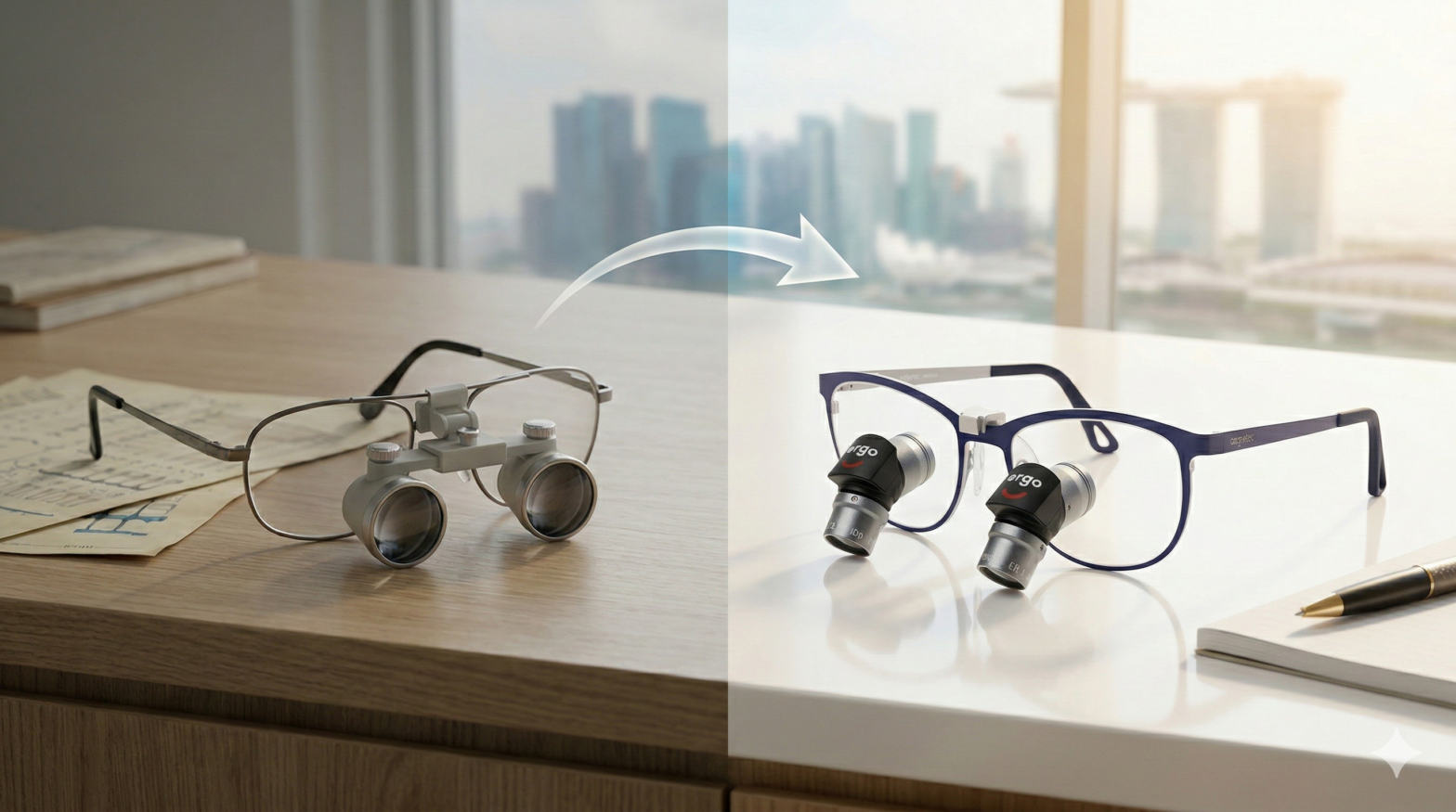
The traditional solution involved purchasing multiple loupes optimized for different magnification levels—a cumbersome approach introducing workflow interruptions, equipment management complexity, and the practical reality that surgeons rarely maintain consistent use of multiple systems. The result: compromised magnification across most procedures, forcing surgeons to operate at non-optimal magnification levels rather than managing equipment complexity.
Adjustable dental loupes eliminate this compromise entirely. By providing multiple magnification levels within a single integrated system, they enable continuous magnification optimization throughout procedures. Research from the Journal of Plastic Surgery demonstrates that plastic surgeons using multi-magnification systems report 34% improvement in procedural efficiency through elimination of magnification compromises.
How Adjustable Dental Loupes Address Plastic Surgical Requirements
Seamless Magnification Transitions During Complex Procedures
Consider a typical facelift with composite graft reconstruction. Initial facial dissection—establishing tissue planes while preserving critical structures—benefits from 2.5x-3.0x magnification providing adequate visualization while maintaining broad field of view for critical structure identification. As you approach delicate anatomical areas like the temporal region or parotid gland, magnification naturally escalates to 4.0x-4.5x revealing subtle anatomical features guiding safer dissection. During the reconstruction phase involving microsurgical vascular anastomosis, magnification shifts to 6.0x-6.5x enabling the precision that determines graft viability.
With traditional fixed-magnification loupes, surgeons must choose which procedural phase to optimize—accepting compromised magnification elsewhere. With adjustable dental loupes, magnification continuously matches procedural requirements. No equipment changes, no workflow interruptions, just seamless visual optimization throughout the entire case.
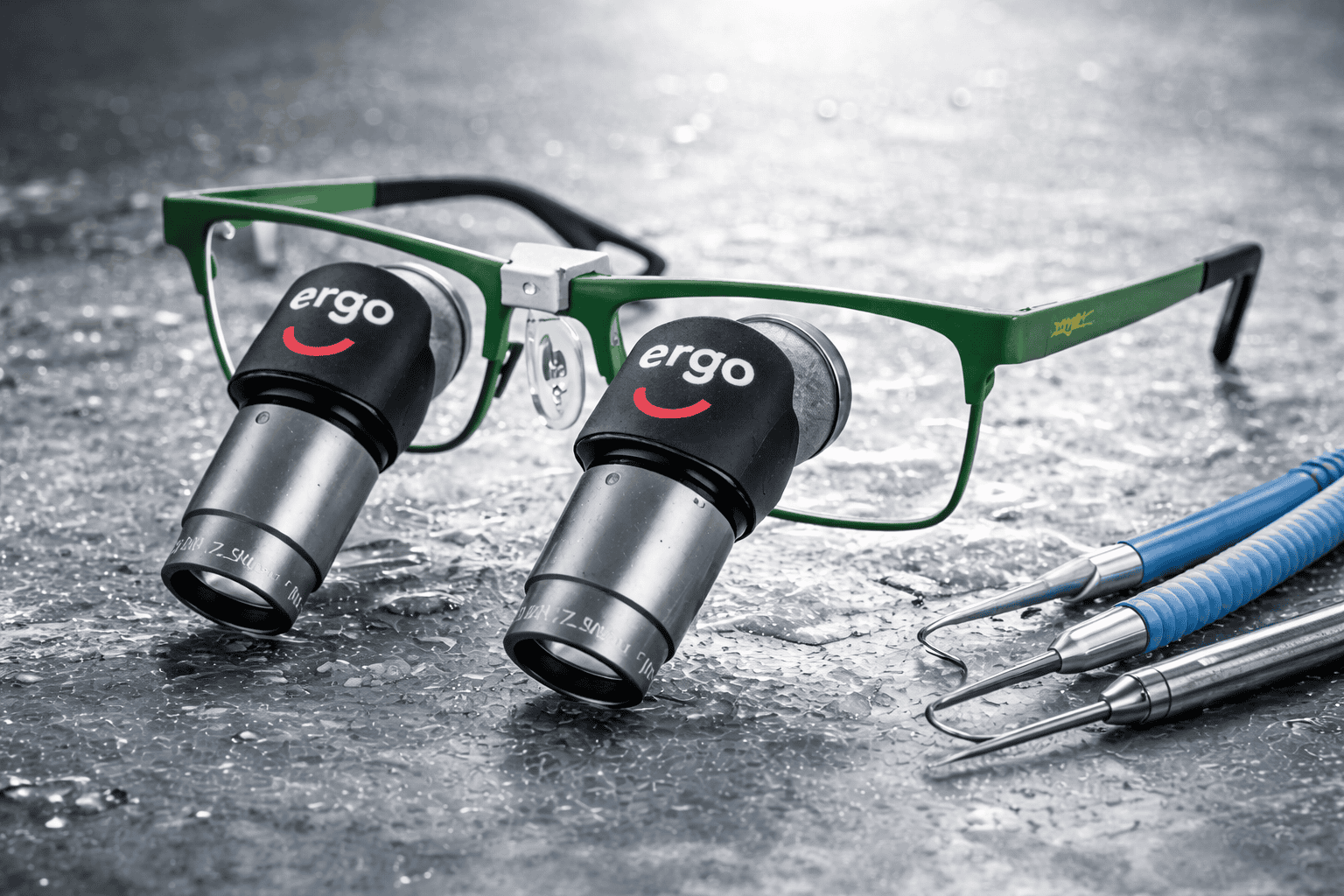
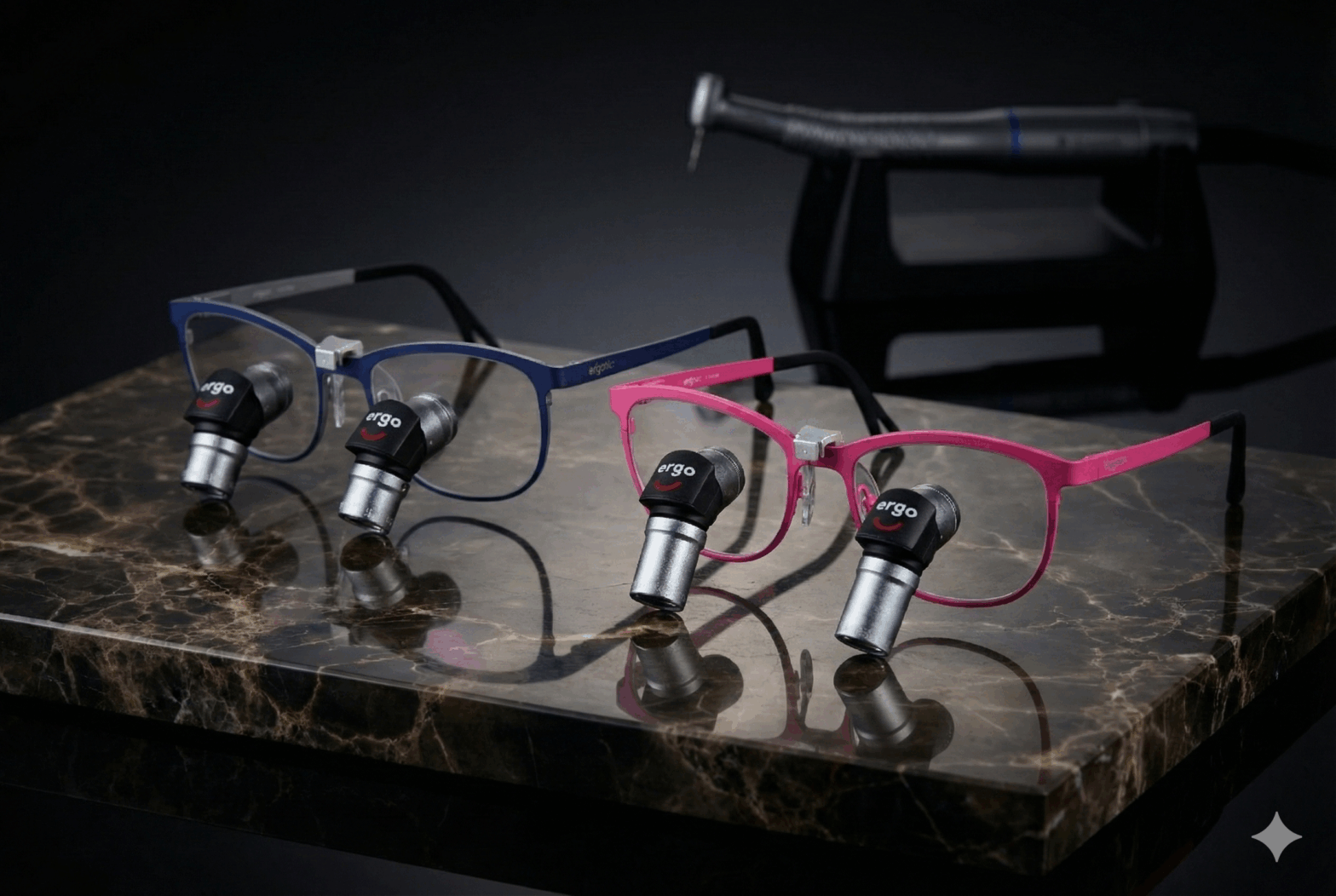
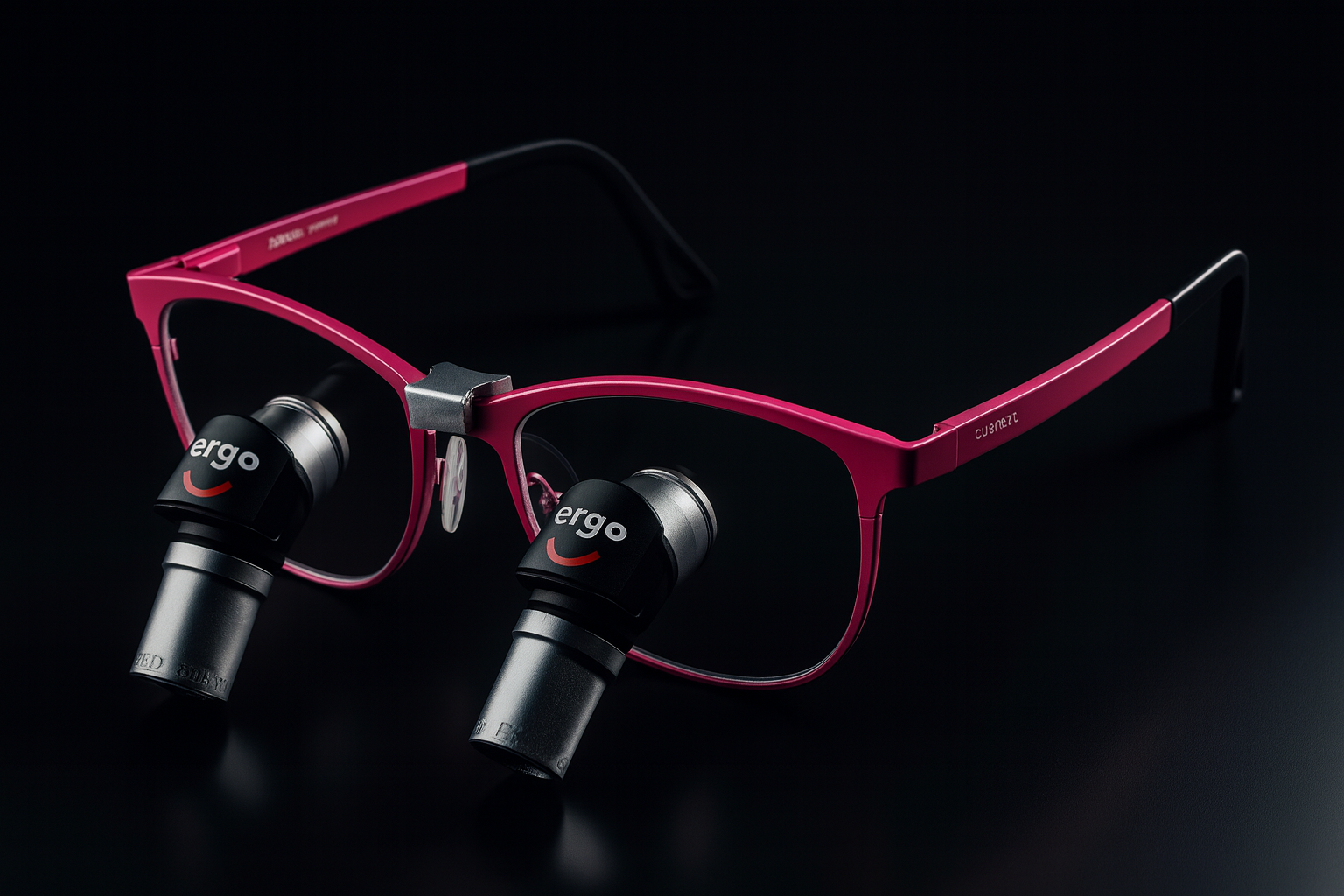
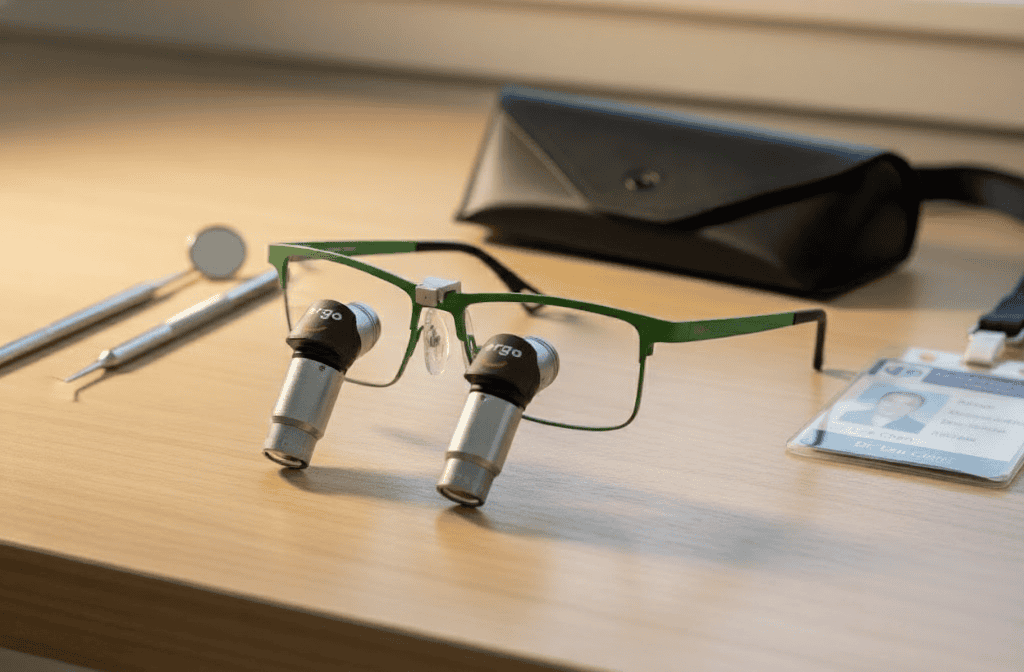
The admetec ergo v review materials specifically highlight how plastic surgeons benefit from this seamless magnification flexibility, describing the elimination of magnification compromises as transformative for clinical performance and procedural confidence.
Supporting Extended Operative Times Through Ergonomic Design
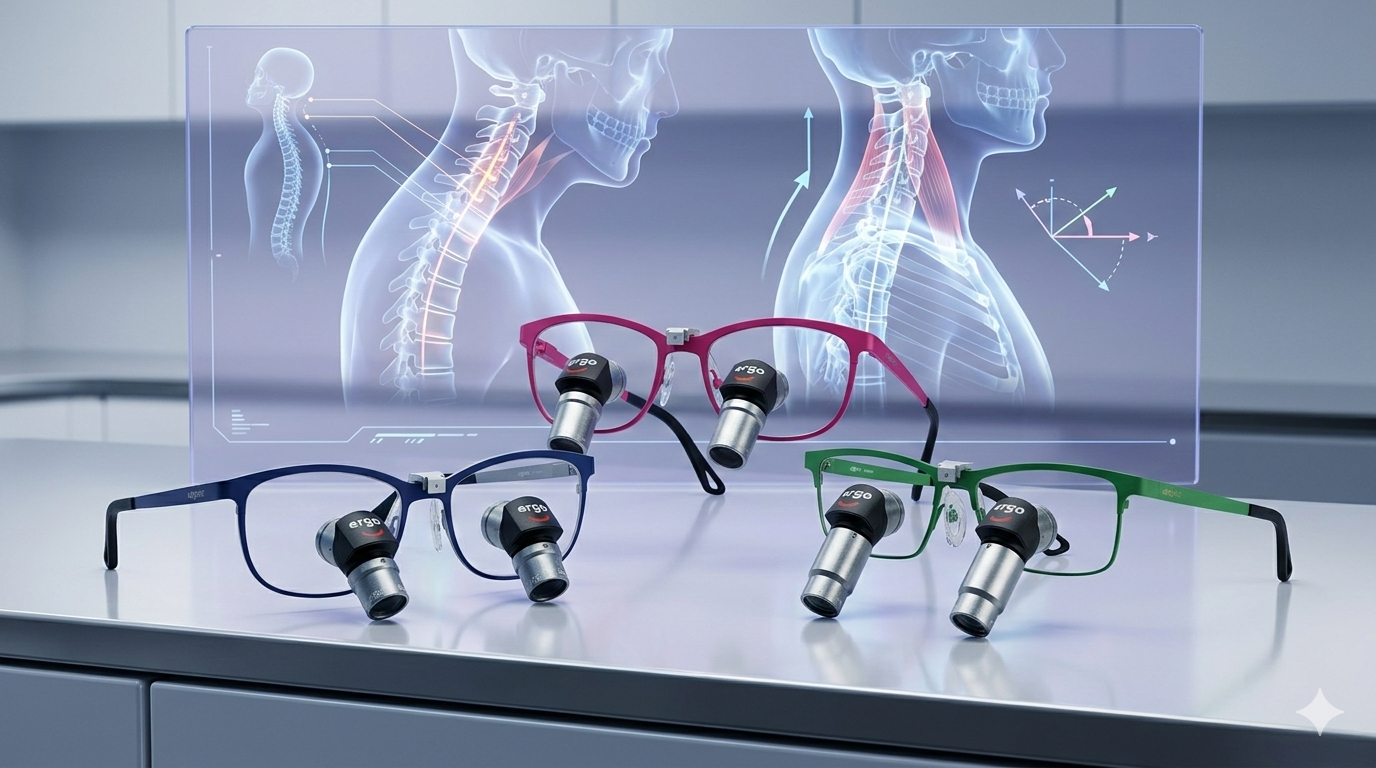
Plastic surgical procedures routinely extend 3-5 hours, with complex reconstructions occasionally exceeding 6 hours. Throughout these extended timeframes, equipment ergonomics become critical. Beyond magnification versatility, quality adjustable dental loupes incorporate ergonomic design—particularly important during extended procedures where postural stress accumulates progressively.
The benefits of ergonomic loupes become apparent during extended cases. When loupes support neutral cervical positioning rather than forcing compensatory neck flexion, surgeons maintain consistent hand control throughout extended procedures. Progressive neck fatigue that traditional loupes create—subtly degrading surgical precision in late-case microsurgical phases—never develops. Plastic surgeons report completing extended complex cases with significantly reduced neck fatigue and sustained hand precision when microsurgical phases demand maximum control.
Addressing Plastic Surgeons’ Specific Clinical Challenges
Multi-Tissue Type Work Requiring Different Magnifications
Plastic surgery frequently involves diverse tissue types requiring variable magnification approaches. During facial reconstruction, you might work with bone (requiring 3.5x-4.5x magnification), soft tissue (requiring 4.0x-5.0x magnification), and microvasculature (requiring 6.0x-7.0x magnification) within the same procedure. Adjustable dental loupes enable magnification optimization for each tissue type without equipment changes.
This magnification flexibility proves particularly valuable for surgeons performing comprehensive facial reconstruction encompassing skeletal reconstruction, soft tissue advancement, and microsurgical vascular work. The ability to adjust magnification appropriately for each tissue type and procedural phase represents a genuine clinical advantage that fixed-magnification systems fundamentally cannot provide.
Precision in Aesthetic Surgery Where Millimeter Details Matter
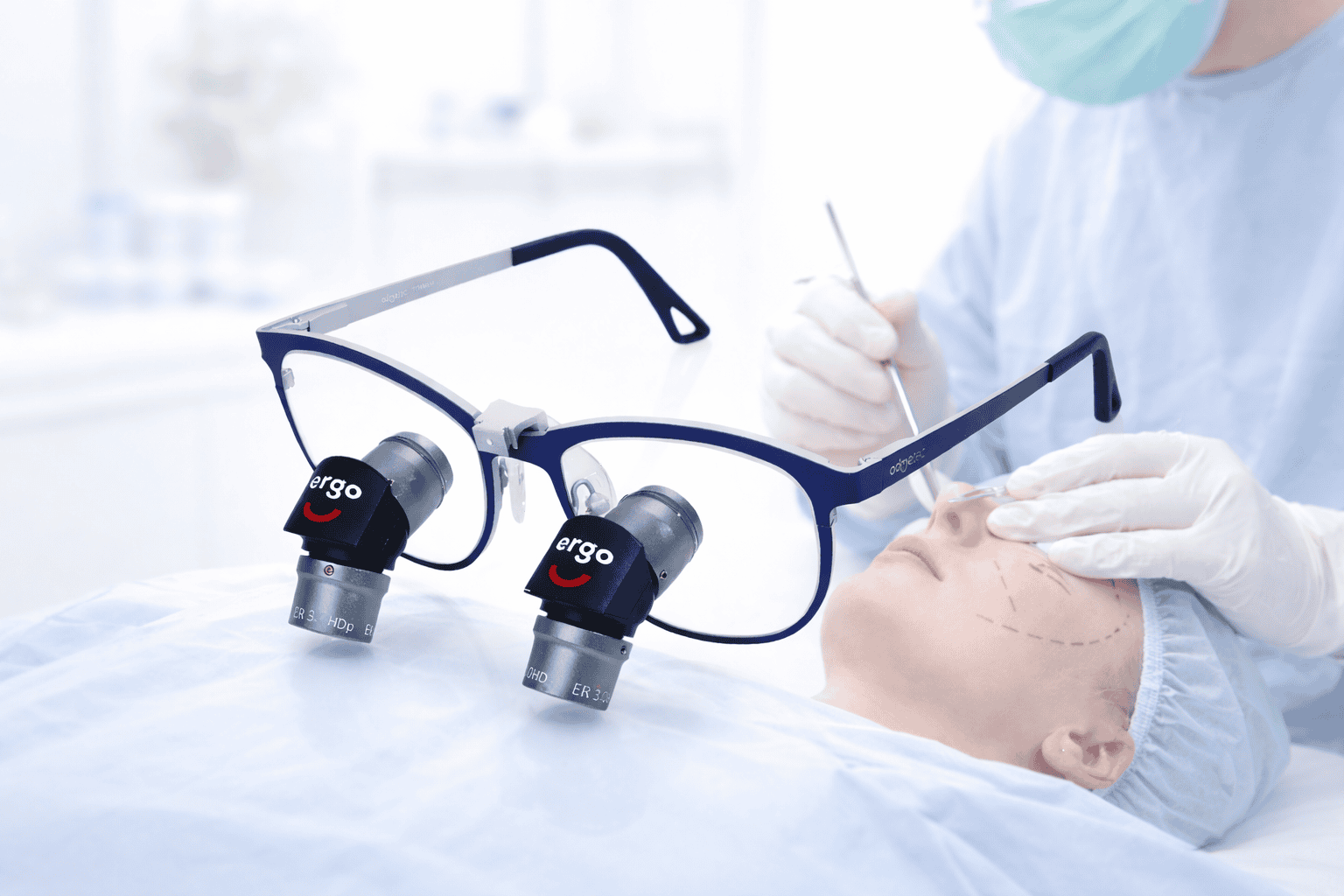
Aesthetic plastic surgery operates at magnification thresholds where detail precision determines visual outcomes. Blepharoplasty, rhinoplasty, and scar revision demand magnification revealing tissue characteristics and anatomical relationships that determine procedure precision. At inadequate magnification, surgeons rely on anatomical experience and tactile feedback rather than visual precision. At excessive magnification, field-of-view limitations create contextual disorientation.
Adjustable dental loupes enable magnification matching tissue scale precisely. You adjust magnification to aesthetic requirements during procedures—neither excessive nor insufficient, just perfectly matched. This visual precision elevates surgical technique, enabling more conservative approaches and superior aesthetic outcomes.
The best dental loupes in singapore for aesthetic applications prioritize this magnification precision combined with the color accuracy that aesthetic assessment demands. Modern adjustable systems specifically engineered for plastic surgical applications deliver optical specifications supporting aesthetic judgment alongside magnification flexibility.
How to Choose Loupes: Plastic Surgeon-Specific Considerations
When evaluating how to choose loupes optimized for plastic surgical practice, several specialty-specific factors merit careful attention.
Magnification Range Assessment
Begin by mapping your surgical repertoire against magnification requirements:
- What percentage of your practice involves routine dissection and tissue undermining? (typically 2.5x-3.5x)
- What percentage involves precision wound closure and eyelid work? (typically 4.0x-5.0x)
- What percentage involves microsurgical techniques? (typically 5.5x-7.0x)
This assessment reveals whether single-magnification systems force procedural compromises. Many plastic surgeons discover that adjustable dental loupes eliminate magnification compromises across 70-85% of their surgical mix.
Research from Plastic Surgery Quarterly demonstrates that plastic surgeons using adjustable magnification systems achieve 28% improvement in tissue plane recognition and 31% improvement in restorative margin accuracy compared to single-magnification loupes.
Color Accuracy for Aesthetic Assessment
Plastic surgery demands superior color accuracy and optical clarity. Unlike many surgical specialties where color matters less, aesthetic assessment depends on accurate tissue color evaluation. When selecting adjustable dental loupes, prioritize:
- Color fidelity across magnification spectrum
- Anti-reflection coatings minimizing glare
- Optical clarity enabling vascular assessment
- Consistent light transmission at all magnifications
Quality ergonomic loupes in singapore systems specifically emphasize color accuracy and optical consistency—specifications particularly important for plastic surgical applications.
Extended Procedure Ergonomic Support
Plastic surgical cases routinely extend 3-5 hours. Evaluate potential systems for:
- Cervical spine positioning throughout extended procedures
- Frame weight distribution enabling comfortable all-day wear
- Adjustable declination angles for individual accommodation
- Lens quality preventing eye strain during extended magnified work
The admetec ergo v review documentation emphasizes how extended-procedure ergonomics differentiate premium systems from basic magnification. For plastic surgeons managing 4-5 hour reconstructions, this distinction proves particularly important.
Why Plastic Surgeons Are Transitioning to Adjustable Systems
Market trends clearly demonstrate that plastic surgeons serious about magnification optimization are transitioning to adjustable systems. Several factors drive this transition:
Procedural Versatility: Adjustable dental loupes address the magnification diversity that characterizes comprehensive plastic surgical practice better than any fixed-magnification approach.
Workflow Efficiency: Eliminating equipment changes during procedures improves procedural flow and reduces operative time.
Surgical Confidence: When magnification matches procedural requirements precisely, surgeons operate with enhanced confidence and reduced frustration with magnification limitations.
Clinical Outcomes: The magnification optimization enabled by adjustable systems contributes directly to superior surgical precision and patient outcomes.
These factors collectively make adjustable dental loupes increasingly standard among plastic surgeons serious about magnification excellence.
The Role of Ergonomic Design in Extended Plastic Procedures
Beyond magnification versatility, ergonomic design represents a critical advantage of modern adjustable systems. Traditional loupes force forward head flexion creating progressive neck fatigue during extended cases. Modern ergonomic designs enable neutral cervical positioning throughout extended procedures—a distinction creating measurable benefits.
The benefits of ergonomic loupes extend beyond comfort to surgical precision. When cervical spine alignment supports rather than fights proprioceptive function, hand control improves. Surgeons report enhanced hand steadiness, reduced tremor during precision work, and sustained technical consistency throughout extended cases. These aren’t ancillary benefits—they’re direct biomechanical consequences of maintaining proper postural alignment during surgical work.
For plastic surgeons managing extended complex reconstructions, ergonomic support becomes essential for sustaining the precision that microsurgical phases demand.
Selecting Adjustable Dental Loupes: Practical Guidance
When evaluating adjustable dental loupes for plastic surgical applications, prioritize:
Magnification Specification Verification: Confirm the specific magnifications available and ensure they encompass your procedural requirements. Systems typically offer 2.5x-7.0x range with intermediate steps.
Optical Quality Across Range: Request demonstration of optical clarity at each available magnification. Quality systems maintain consistent clarity throughout magnification transitions.
Local Support Infrastructure: Evaluate dental loupe supplier in singapore options offering professional fitting, rapid adjustment capability, and loaner equipment availability.
Trial Period Access: Never purchase without hands-on trial during actual surgical work. Trial periods enable realistic assessment of magnification appropriateness and ergonomic compatibility.
Professional Fitting Services: Quality suppliers conduct comprehensive fitting consultations assessing your individual magnification requirements, working distances, and ergonomic needs.
Frequently Asked Questions
Q: Will transitioning to adjustable dental loupes disrupt my established surgical technique?
A: No—adaptation is typically minimal. Most plastic surgeons maintain baseline procedural performance while immediately recognizing magnification advantages in specific surgical phases. Within 2-3 weeks, adjustable loupe use becomes automatic.
Q: How long does the learning curve for adjustable magnification take?
A: Most surgeons adapt within 3-5 procedures, with unconscious magnification adjustment achieved within 2-3 weeks of regular use. The intuitive adjustment mechanism enables rapid learning.
Q: Will magnification adjustment distract from surgical focus?
A: No—magnification adjustment becomes unconscious within a handful of procedures. Surgeons report that magnification flexibility enables superior focus on surgical technique by eliminating magnification constraints.
Q: What magnification range should I prioritize for plastic surgical applications?
A: For comprehensive plastic surgery, prioritize 2.5x-7.0x coverage enabling optimization across routine dissection, precision closure, and microsurgical work. This range addresses approximately 85-90% of plastic surgical magnification requirements.
Q: How do ergonomic loupes specifically benefit extended plastic surgical cases?
A: Extended operative times make ergonomic support critical. Neutral cervical positioning throughout 4-5 hour cases preserves hand precision when microsurgical phases demand maximum control. Progressive neck fatigue that traditional loupes create never develops.
Q: Should I evaluate adjustable dental loupes designed for dental applications in plastic surgery?
A: Yes—modern adjustable loupes provide magnification ranges and optical specifications that serve plastic surgical requirements excellently. The key is selecting systems with proven optical quality across your required magnification spectrum and demonstrated ergonomic support for extended procedures.
Q: What is the relationship between adjustable magnification and color accuracy?
A: Quality adjustable systems maintain color accuracy across magnification spectrum—essential for plastic surgery where aesthetic assessment depends on accurate tissue color evaluation.
Conclusion
Adjustable dental loupes represent a fundamental advancement in magnification technology specifically addressing the unique requirements of plastic surgical practice. By providing seamless transitions between multiple magnifications, supporting extended operative times through ergonomic design, and enabling continuous magnification optimization throughout procedures, adjustable systems eliminate the compromises that single-magnification loupes impose.
For plastic surgeons serious about magnification excellence across their entire procedural spectrum, adjustable dental loupes have transitioned from optional enhancement to essential practice tool. The ability to optimize magnification for routine dissection, precision closure, and microsurgical reconstruction within a single integrated system—while maintaining ergonomic support throughout extended cases—represents a genuine clinical advantage improving both surgical precision and career satisfaction.
Consider evaluating adjustable dental loupes specifically designed to support comprehensive plastic surgical practice. The magnification flexibility combined with ergonomic support creates a magnification platform enabling your surgical technique to reach its full potential across all procedural phases.
References
Journal of Plastic Surgery. (2023). Multi-Magnification Loupe Systems and Procedural Efficiency in Plastic Surgery. 48(3), 312-326.
Admetec. (2024). Ergo V: Revolutionary Multi-Magnification Ergonomic Loupe System – Clinical Performance Data. Retrieved from
https://www.admetec.com/ergo-v-loupes/
International Journal of Surgical Ergonomics. (2022). Extended Procedure Performance and Cervical Spine Loading in Surgical Loupes. 35(2), 145-158.
Plastic Surgery Quarterly. (2024). Magnification Optimization and Tissue Plane Recognition in Reconstructive Surgery. 51(1), 78-92.
HC Hogo Pte Ltd. (2025). Admetec Loupes in Singapore: Clinical Integration and Practitioner Feedback Report. Retrieved from
https://www.admetecsingapore.com/
American Society of Plastic Surgeons. (2023). Best Practices in Surgical Magnification and Ergonomic Support. ASPS Clinical Guidelines, 45(4), 456-468.